
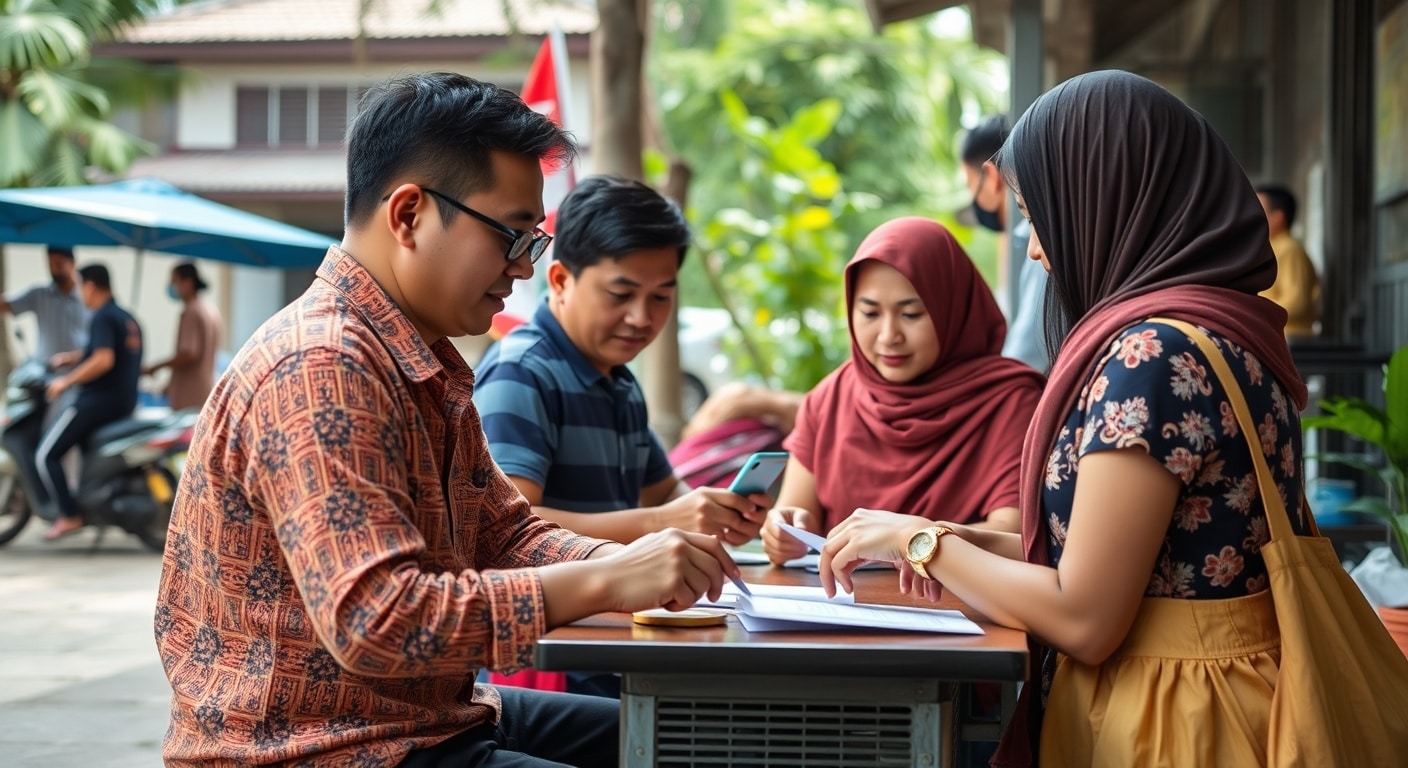
In recent years, the way people pay for goods and services has changed rapidly. From cash transactions at pasar malam stalls to instant QR payments at cafés and retail stores, payment methods Malaysia continue to evolve alongside technology and consumer habits. Malaysians today enjoy a wide range of payment options that offer convenience, speed, and security for both online and offline purchases.
Understanding the most popular payment methods in Malaysia is useful for consumers, business owners, and e-commerce sellers alike. Whether you are running a local business or simply want to know how Malaysians prefer to spend, this guide covers the payment methods that dominate the Malaysian market today.
Why Payment Preferences Are Changing in Malaysia
Several factors have contributed to the growing shift in payment methods Malaysia. Smartphone usage is high, internet banking is widely accessible, and digital wallets have become increasingly common. At the same time, government initiatives promoting cashless transactions and improved financial technology infrastructure have helped more Malaysians adopt modern payment methods.
Convenience is also a major driver. Consumers want quick and easy ways to pay without carrying too much cash, while businesses want payment systems that reduce queues and simplify transaction tracking.
Cash Still Remains Relevant
Although digital payment solutions are expanding quickly, cash remains one of the most commonly used payment methods in Malaysia. Many small businesses, roadside vendors, traditional markets, and rural areas still rely heavily on cash payments.
Why Cash Is Still Popular
- Widely accepted across nearly all types of businesses
- No technology required for buyers or sellers
- Useful for small purchases and informal transactions
- Preferred by older generations who may be less comfortable with digital tools
While cash is no longer the only dominant option, it continues to play an important role in daily life, especially for low-value and face-to-face transactions.
Debit and Credit Cards
Debit and credit cards remain among the most trusted payment methods Malaysia uses for retail shopping, dining, travel bookings, and online transactions. Most Malaysians with bank accounts have access to debit cards, while credit cards are especially popular among working professionals and frequent online shoppers.
Common Uses for Cards in Malaysia
- Shopping at supermarkets and department stores
- Paying for hotel stays and airline tickets
- Making online purchases on local and international websites
- Subscription services such as streaming platforms
Card payments are attractive because they are fast, secure, and often come with rewards such as cashback, air miles, or loyalty points. Contactless card technology has also made card payments even more convenient at physical stores.
Online Banking and FPX
Online banking is one of the most important digital payment methods Malaysia has adopted, especially for e-commerce and bill payments. FPX, or Financial Process Exchange, is commonly used by Malaysians to transfer money directly from their bank accounts when shopping online.
Why FPX Is Popular
- Direct payment from bank accounts without needing a card
- High trust level due to bank-backed transaction systems
- Widely available on Malaysian e-commerce websites
- Suitable for larger purchases and utility payments
Many local consumers prefer FPX because it is straightforward and familiar. As long as they have internet banking access, they can complete transactions quickly without extra apps or registration steps.
E-Wallets and Mobile Payments
E-wallets have become one of the fastest-growing payment methods Malaysia has seen over the past few years. Apps like Touch ‘n Go eWallet, GrabPay, Boost, and ShopeePay are commonly used for shopping, food delivery, transport, and even bill payments.
Why Malaysians Like E-Wallets
- Easy QR code payments at shops and restaurants
- Frequent cashback and promotions
- Fast peer-to-peer transfers
- Convenient for small daily transactions
QR code payments are especially common in urban areas. It is now normal to see a small business display multiple QR codes at the cashier counter. Consumers simply scan, confirm, and pay within seconds. This method is not only faster but also helps reduce the handling of physical money.
Popular E-Wallet Brands in Malaysia
- Touch ‘n Go eWallet – widely used for tolls, retail, and transfers
- GrabPay – often used for food delivery, transport, and partner merchants
- Boost – known for merchant promotions and mobile payments
- ShopeePay – popular among online shoppers and marketplace users
DuitNow QR and Instant Transfers
DuitNow has become a major part of modern payment methods Malaysia. It allows users to make real-time bank transfers and QR payments using just a mobile number, business registration number, or a QR code.
DuitNow QR is especially helpful because it creates a more unified cashless payment experience. Instead of needing a different QR system for every wallet or bank, participating apps can scan a standard QR code for seamless transactions.
Benefits of DuitNow
- Instant payment confirmation
- Easy transfers between banks
- Useful for business and personal transactions
- Growing acceptance among merchants
This system has made digital payments much more efficient and is becoming one of the strongest alternatives to both cash and cards.
Buy Now, Pay Later Services
Another rising trend in payment methods Malaysia is Buy Now, Pay Later, often referred to as BNPL. Services such as Atome, SPayLater, and Grab PayLater allow consumers to split payments into smaller installments.
Why BNPL Is Growing
- Helps manage short-term cash flow
- Attractive for younger consumers
- Simple approval process compared to credit cards
- Often integrated into e-commerce checkout pages
BNPL is especially appealing for online retail purchases such as fashion, electronics, and lifestyle products. However, consumers should use it responsibly to avoid overspending.
Payment Methods Most Commonly Used for Online Shopping
For online shopping, Malaysians tend to favour payment methods that are secure, familiar, and quick to complete. The most common online payment options include:
- Online banking via FPX
- Debit and credit cards
- E-wallets such as ShopeePay and GrabPay
- Buy Now, Pay Later services
E-commerce platforms often support multiple options because customers have different preferences. Offering several payment methods can improve checkout completion and customer satisfaction.
Payment Methods Preferred by Businesses in Malaysia
Businesses in Malaysia are also adapting to changing consumer payment habits. Many now accept a mix of traditional and digital methods to serve a broader customer base.
Popular Choices Among Businesses
- Cash for simple over-the-counter purchases
- Card terminals for convenience and trust
- DuitNow QR for low-cost digital acceptance
- E-wallet payments to attract promotion-driven customers
- Online banking support for website sales
Small and medium businesses especially benefit from QR-based systems because setup costs are usually lower than traditional card infrastructure.
The Future of Payment Methods in Malaysia
The future of payment methods Malaysia is likely to become even more digital, integrated, and user-friendly. More consumers are expected to rely on mobile apps, contactless payments, and instant bank transfers for everyday spending. At the same time, hybrid payment environments will remain important, as not everyone transitions to cashless systems at the same speed.
As financial technology continues to improve, Malaysians can expect better payment security, more seamless checkout experiences, and greater flexibility across online and physical shopping channels.
FAQ About Payment Methods in Malaysia
What is the most popular payment method in Malaysia?
There is no single method that dominates every situation, but cash, debit cards, online banking, and e-wallets are among the most popular payment methods in Malaysia today.
Are e-wallets widely accepted in Malaysia?
Yes, e-wallets are widely accepted, especially in urban areas, shopping malls, restaurants, convenience stores, and online platforms. QR payments have become increasingly common.
Is cash still used in Malaysia?
Yes, cash is still commonly used, particularly for small purchases, traditional markets, and businesses in areas where digital payment adoption may be lower.
What is FPX in Malaysia?
FPX is a secure online banking payment gateway that allows users to pay directly from their bank accounts when shopping online or paying bills.
What is DuitNow QR?
DuitNow QR is a standardised QR payment system in Malaysia that allows users to pay merchants instantly using participating banking apps or e-wallets.
Are Buy Now, Pay Later services popular in Malaysia?
Yes, BNPL services are gaining popularity, especially among younger shoppers and online buyers who prefer to split payments into manageable installments.
As consumer habits evolve, businesses that understand and support the most popular payment methods Malaysia can better meet customer expectations. From cash and cards to e-wallets and instant QR payments, the Malaysian payment landscape is more diverse and convenient than ever before.