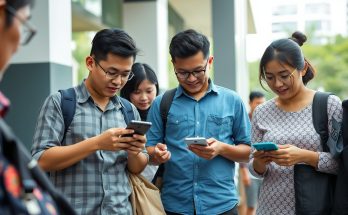

Artificial intelligence is no longer something Malaysians only hear about in tech news or science fiction. Today, ai usage malaysia is becoming part of everyday routines, often without people even realising it. From checking traffic on navigation apps to getting personalised shopping recommendations, AI is quietly helping Malaysians work smarter, save time, and make daily tasks more convenient.
As digital adoption grows across the country, AI is showing up in homes, schools, offices, banks, hospitals, and even small businesses. Whether it is used for customer service chatbots, language translation, smart devices, or online learning tools, more Malaysians are interacting with AI in simple and practical ways. This shift reflects how technology is becoming more accessible and relevant to daily life.
What AI Looks Like in Daily Malaysian Life
When people think of AI, they may imagine robots or complex machines. In reality, most AI tools used in Malaysia are software-driven and built into platforms people already use every day. These tools collect data, recognise patterns, and respond in ways that improve convenience or decision-making.
Some common examples of AI in daily life include:
- Navigation apps suggesting faster routes based on live traffic
- Streaming platforms recommending movies or songs
- E-commerce platforms showing products based on browsing behaviour
- Chatbots answering customer service questions
- Smartphone assistants responding to voice commands
- Fraud detection tools used by banks and e-wallets
These examples show that ai usage malaysia is not limited to large corporations or tech professionals. It is already embedded in services used by students, workers, families, and business owners.
How Malaysians Use AI at Home
Smart Devices and Voice Assistants
Many households in Malaysia are becoming more connected through smart devices. AI-powered speakers, phones, TVs, and home appliances can respond to voice commands, automate tasks, and learn user preferences over time. People use them to set reminders, play music, control lights, or check the weather.
This convenience is especially useful for busy families who want simple ways to manage routines at home.
Entertainment and Content Recommendations
AI also plays a major role in how Malaysians consume entertainment. Platforms like YouTube, Netflix, Spotify, and TikTok use AI to recommend content based on what users watch, skip, or save. This creates a more personalised experience and helps people discover content that matches their interests.
For many users, this is one of the most familiar forms of AI, even if they do not always label it that way.
AI in Malaysian Workplaces
Improving Productivity
In offices and remote work settings, AI tools are helping Malaysians complete tasks more efficiently. Employees are using AI writing assistants, grammar checkers, data analysis tools, and meeting transcription software to save time and improve accuracy.
Common workplace uses include:
- Drafting emails and reports
- Summarising meeting notes
- Scheduling tasks automatically
- Analysing customer trends
- Creating presentations faster
Small and medium-sized businesses in Malaysia are also starting to use AI tools because they are affordable and easy to access through cloud-based services.
Customer Service and Sales
Many local businesses now rely on AI chatbots to respond to customer enquiries on websites and social media. These bots can answer common questions about business hours, delivery fees, pricing, and booking information. This reduces the workload for staff and helps customers get quicker answers.
In retail and e-commerce, AI is also used to study customer behaviour and suggest products that are more likely to lead to a sale.
AI in Education and Learning
Students, teachers, and parents in Malaysia are increasingly using AI-powered learning tools. These tools can support homework, language learning, revision, and personalised tutoring. Some apps adjust question difficulty based on a student’s performance, while others provide instant feedback on writing or pronunciation.
AI can be helpful in education because it allows more flexible and individualised learning. This is especially valuable in digital classrooms and self-paced environments.
Examples of AI in education include:
- Language translation and grammar support
- Personalised quizzes and revision apps
- Online tutoring tools
- Speech recognition for pronunciation practice
- Automated marking for simple assignments
While AI is useful, students still need guidance to use it responsibly. It should support learning, not replace genuine understanding or critical thinking.
How AI Is Changing Shopping and Banking
E-Commerce and Online Shopping
Online shopping is one of the clearest examples of ai usage malaysia. Platforms use AI to personalise homepages, suggest related products, predict buying behaviour, and optimise promotions. Shoppers benefit from quicker searches and product recommendations that feel more relevant.
AI also helps sellers manage stock, predict demand, and improve ad performance. This makes digital commerce more efficient for both consumers and businesses.
Banking, Security, and E-Wallets
Malaysians are also interacting with AI through banking apps and e-wallet platforms. AI helps detect unusual spending patterns, identify possible fraud, and improve account security. Some financial institutions also use AI chat systems to answer basic questions or help users navigate services.
These tools increase confidence and convenience, especially as more people rely on cashless payments for transport, food delivery, shopping, and bills.
AI in Healthcare and Public Services
AI is beginning to support healthcare services in Malaysia through appointment systems, patient data management, and early diagnostic support. While doctors and medical professionals remain central to care, AI can help streamline processes and reduce delays.
In public services, AI is also being explored to improve digital systems, automate responses, and process information faster. As government and private sectors continue digital transformation, AI is expected to become more visible in service delivery.
Benefits of AI for Malaysians
The growing use of AI brings several practical advantages to daily life. These include:
- Time savings through automation and faster responses
- Better convenience in shopping, navigation, and communication
- Improved personalisation across apps and online platforms
- Higher efficiency for businesses and employees
- Stronger security in banking and digital transactions
As more tools become mobile-friendly and affordable, the benefits of AI are reaching a wider range of users across Malaysia.
Challenges and Concerns to Keep in Mind
Despite the advantages, there are also concerns around AI adoption. Malaysians need to be aware of issues such as privacy, data security, misinformation, and overdependence on automated systems. Not every AI-generated answer is accurate, and not every recommendation is neutral.
Some key concerns include:
- How personal data is collected and used
- The risk of false or misleading information
- Job changes due to automation
- Bias in AI systems
- The need for digital literacy and responsible use
Using AI wisely means treating it as a helpful tool, not as a replacement for human judgement.
The Future of AI Usage in Malaysia
The future of ai usage malaysia looks promising as more industries invest in digital transformation. With better internet access, wider smartphone adoption, and growing awareness of AI tools, Malaysians are likely to see even more everyday applications in the coming years.
From smarter transport systems to more advanced education platforms, AI has the potential to improve quality of life in many ways. The key will be balancing innovation with ethics, privacy, and practical understanding.
For most people, AI does not need to be complicated. It simply needs to be useful, trustworthy, and easy to access. That is exactly why it is becoming a natural part of modern life in Malaysia.
FAQ
What is a simple example of AI usage in Malaysia?
A simple example is using Google Maps or Waze to find the fastest route. These apps use AI to analyse traffic and suggest better directions in real time.
Are Malaysians using AI without knowing it?
Yes, many Malaysians use AI every day without thinking about it. Streaming recommendations, banking fraud alerts, online shopping suggestions, and chatbots are all common examples.
How do students in Malaysia use AI?
Students use AI for grammar checks, language translation, revision apps, online tutoring, and research support. These tools help make learning more flexible and efficient.
Is AI safe to use for everyday tasks?
AI can be safe when used carefully, especially on trusted platforms. However, users should still protect personal information, verify important facts, and avoid relying on AI for every decision.
Will AI become more common in Malaysia?
Yes, AI is expected to become more common as businesses, schools, healthcare providers, and digital platforms continue adopting smarter technologies.