
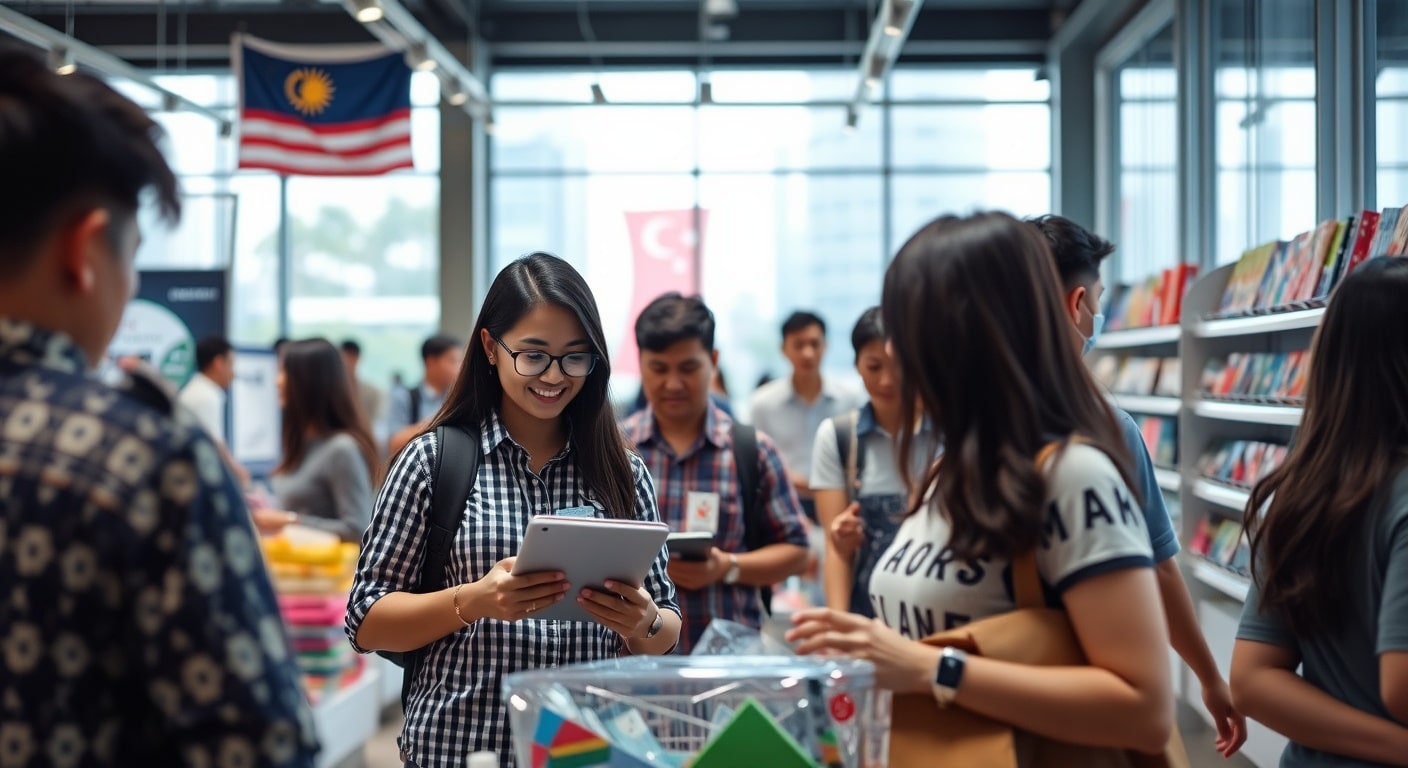
Malaysia’s digital economy continues to expand, and online retail is becoming more competitive, data-driven, and customer-focused than ever before. For brands, SMEs, and established retailers, keeping up with malaysia ecommerce trends is no longer optional. It is essential for staying visible, profitable, and relevant in a fast-moving marketplace.
From mobile shopping habits to social commerce and smarter payment options, consumer expectations in Malaysia are evolving quickly. Businesses that understand these changes can improve conversion rates, strengthen customer loyalty, and identify new revenue opportunities. Below are the key trends worth watching if you want to grow your ecommerce presence in Malaysia.
Mobile-First Shopping Continues to Dominate
Malaysian consumers are increasingly shopping through smartphones, making mobile optimisation a top priority for ecommerce businesses. Whether customers are browsing on Shopee, Lazada, social media platforms, or brand websites, the mobile experience often shapes their first impression.
A slow-loading website, poor navigation, or a complex checkout process can drive potential buyers away. Businesses should ensure every part of the customer journey is designed with mobile users in mind.
What businesses should focus on
- Responsive website design that works smoothly on all screen sizes
- Fast page loading speed to reduce bounce rates
- Simple mobile checkout with minimal form fields
- Clear product images and descriptions that are easy to view on smaller devices
As one of the leading malaysia ecommerce trends, mobile-first commerce will continue to influence user experience, ad strategy, and overall sales performance.
Social Commerce Is Becoming a Major Sales Channel
Social media is no longer just a branding tool. In Malaysia, platforms such as TikTok, Instagram, and Facebook are becoming direct sales channels where discovery and purchase happen in the same space. Customers are influenced by creators, livestream sessions, short videos, and customer reviews before making purchase decisions.
This shift means businesses need to think beyond traditional ecommerce websites. Brands that can engage audiences with entertaining, authentic, and informative content are more likely to drive conversions through social channels.
Why social commerce matters
- Shortens the buyer journey from discovery to checkout
- Builds trust through live interaction and community engagement
- Supports impulse purchases through promotions and limited-time offers
- Increases visibility among younger and mobile-savvy consumers
Businesses should consider integrating influencer collaborations, livestream selling, and user-generated content into their digital strategy.
Digital Payments and E-Wallet Usage Are Expanding
Another important part of malaysia ecommerce trends is the growing reliance on digital payments. Malaysian consumers now expect multiple payment options, including online banking, debit and credit cards, buy now pay later services, and e-wallets such as Touch ‘n Go eWallet, Boost, and GrabPay.
A limited payment selection can negatively affect cart completion rates. Offering secure, familiar, and convenient payment methods helps reduce friction during checkout.
Payment trends to watch
- E-wallet integration for quicker transactions
- Buy now pay later options to attract budget-conscious consumers
- Improved payment security to build customer confidence
- Seamless checkout experiences across devices
Businesses that prioritise payment flexibility can improve trust and reduce abandoned carts.
Marketplace Competition Is Getting Stronger
Marketplaces remain central to Malaysia’s ecommerce ecosystem. Platforms such as Shopee and Lazada offer sellers access to massive customer bases, built-in logistics support, and promotional tools. However, they also create intense competition, especially in pricing and visibility.
Many businesses are realising that relying solely on marketplaces can be risky. While marketplaces are useful for reach, building a direct-to-consumer website gives brands more control over customer data, margins, and long-term loyalty.
How businesses can stay competitive
- Use marketplaces for exposure while building a branded ecommerce store
- Differentiate through service, packaging, and customer experience
- Optimise product listings with strong visuals and keyword-rich descriptions
- Run retention campaigns through email, WhatsApp, or loyalty programmes
The most effective approach is often a balanced omnichannel strategy rather than dependence on a single platform.
Faster Fulfilment and Delivery Expectations Are Rising
Convenience is one of the biggest drivers of online shopping in Malaysia. Customers increasingly expect fast shipping, real-time tracking, and reliable delivery updates. Delays or unclear fulfilment processes can quickly lead to negative reviews and lost repeat business.
This makes logistics an important area for ecommerce growth. Businesses need strong partnerships with couriers, better inventory management, and clear communication throughout the order process.
Areas to improve in fulfilment
- Accurate stock management to avoid overselling
- Transparent shipping information on product and checkout pages
- Reliable courier partnerships for nationwide coverage
- Order tracking notifications to improve customer confidence
For many consumers, delivery performance is just as important as product quality.
Personalisation and Customer Data Are More Valuable Than Ever
As the market becomes more crowded, personalised shopping experiences can help businesses stand out. Malaysian consumers are exposed to countless offers every day, so generic messaging is less effective. Brands that use data to recommend products, send relevant promotions, and tailor communication can create stronger engagement.
Personalisation does not always require advanced technology. Even simple segmentation based on purchase history, browsing behaviour, or customer location can improve campaign performance.
Examples of ecommerce personalisation
- Product recommendations based on previous purchases
- Targeted promotions for returning customers
- Abandoned cart reminders through email or messaging apps
- Location-based campaigns for local offers and shipping updates
Among current malaysia ecommerce trends, data-led personalisation is one of the most effective ways to increase lifetime customer value.
Sustainability and Ethical Buying Are Gaining Attention
While price and convenience still matter, more Malaysian consumers are becoming aware of sustainability, ethical sourcing, and environmentally friendly packaging. This trend is particularly relevant for younger shoppers who prefer brands that align with their values.
Businesses do not need to overhaul operations overnight, but small improvements can make a difference in how a brand is perceived.
Practical sustainability steps
- Use recyclable or minimal packaging
- Communicate ethical sourcing practices
- Reduce waste in fulfilment processes
- Highlight sustainability efforts clearly on product pages and brand channels
Transparency matters. Consumers are more likely to support businesses that are honest about their practices and progress.
AI and Automation Are Improving Ecommerce Efficiency
Artificial intelligence and automation tools are becoming more accessible to businesses of all sizes in Malaysia. From chatbots and automated customer service to product recommendations and ad optimisation, these tools help brands operate more efficiently and scale faster.
For SMEs especially, automation can reduce repetitive manual work while improving response times and campaign performance.
Common uses of automation in ecommerce
- Chatbots for customer support and FAQs
- Automated email flows for welcome messages and abandoned carts
- Inventory alerts to manage stock levels
- Smart advertising tools to optimise targeting and budgets
Businesses that adopt practical automation early can save time while improving the customer experience.
FAQ About Malaysia Ecommerce Trends
What are the biggest Malaysia ecommerce trends right now?
The biggest trends include mobile-first shopping, social commerce, digital payment growth, faster delivery expectations, personalisation, and the use of AI and automation in online retail.
Why is social commerce important for Malaysian businesses?
Social commerce allows businesses to reach customers where they already spend time online. It also shortens the path from product discovery to purchase, especially on platforms like TikTok, Instagram, and Facebook.
How can small businesses keep up with ecommerce trends in Malaysia?
Small businesses can start by improving their mobile experience, offering popular payment methods, using social media for sales, and automating simple tasks such as customer replies and email marketing.
Do businesses still need their own website if they sell on marketplaces?
Yes. Marketplaces are useful for exposure, but a dedicated website gives businesses more control over branding, customer relationships, profit margins, and long-term growth.
What payment options should ecommerce businesses offer in Malaysia?
It is best to offer a mix of payment methods such as online banking, cards, e-wallets, and buy now pay later services to match consumer preferences and reduce checkout friction.
Conclusion
The future of online retail in Malaysia is shaped by convenience, speed, trust, and digital engagement. Businesses that pay close attention to malaysia ecommerce trends can better position themselves for sustainable growth in an increasingly competitive market.
Whether you are running a marketplace store, an independent ecommerce website, or both, the key is to stay adaptable. By improving mobile experiences, embracing social selling, offering better payment options, and using data more effectively, Malaysian businesses can meet changing customer expectations and stay ahead of the curve.