
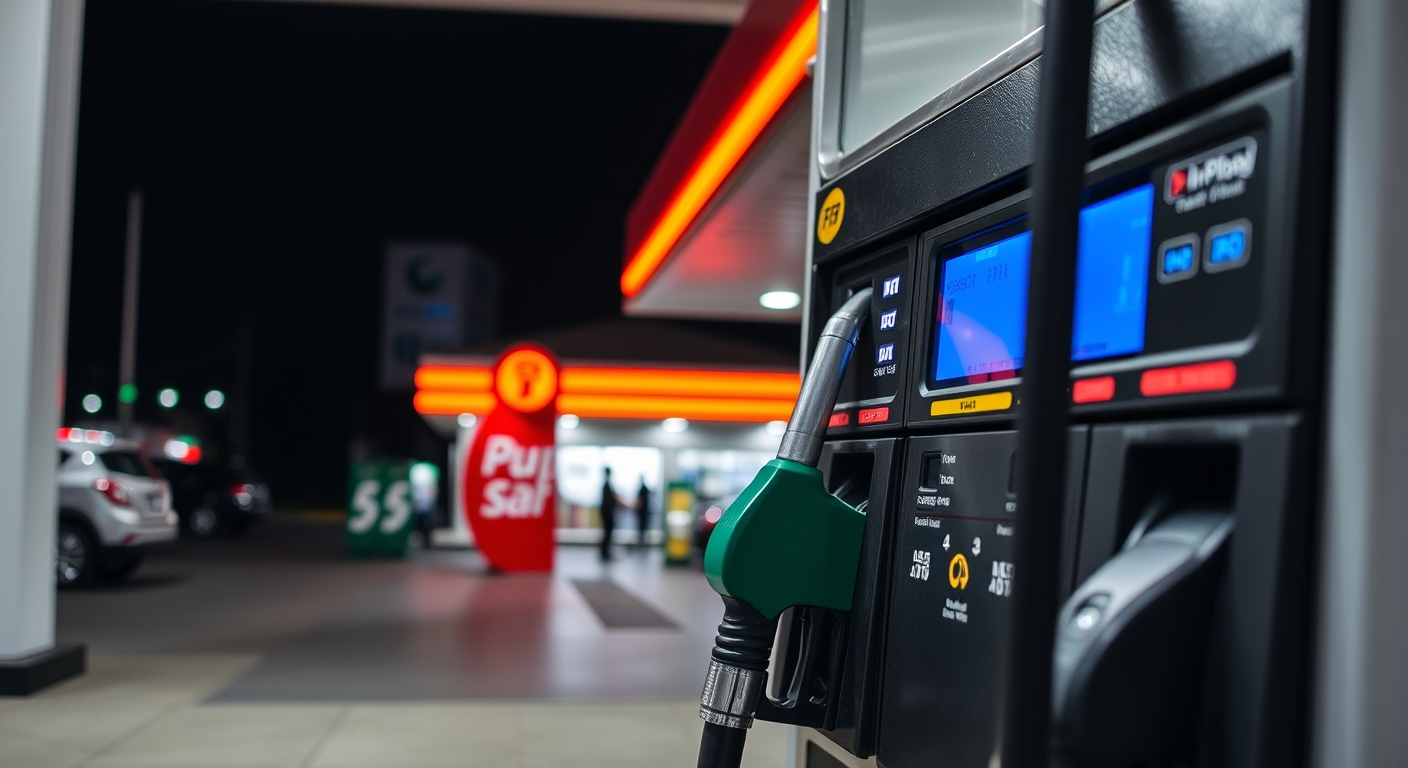
Petrol prices are one of the most closely watched costs in Malaysia. Every week, many Malaysians check the latest updates before filling up their cars, motorcycles, or commercial vehicles. The topic of petrol price malaysia matters because it affects household budgets, business operating costs, transport fares, and even food prices. When fuel goes up, people feel the pressure almost immediately. When it drops, there is often some relief, but questions remain about why prices keep changing.
For many consumers, the weekly fuel announcement can seem confusing. Why does the price move some weeks but stay the same in others? Why do RON95, RON97, and diesel sometimes behave differently? Is the government controlling prices, or are global markets responsible? Understanding how the system works can help Malaysians make better financial decisions and follow national economic developments more confidently.
In this guide, we explain how the petrol price malaysia system works, why prices change weekly, what factors influence fuel costs, and what consumers should know about subsidies, global oil trends, and government pricing mechanisms.
How Petrol Pricing Works in Malaysia
Malaysia uses a fuel pricing mechanism that reflects global market conditions while also involving government intervention for selected fuel types. Petrol prices are not changed randomly. They are reviewed based on a structured formula that takes into account international oil prices, refined fuel prices, exchange rates, and government subsidies.
The main fuel categories commonly discussed in Malaysia are:
- RON95 – the most widely used subsidised petrol for the general public
- RON97 – a non-subsidised petrol usually priced according to market trends
- Diesel – used by transport operators, logistics companies, and diesel vehicle owners
Each of these fuels may be treated differently under Malaysia’s pricing system. This is one of the key reasons the public often notices different price movements across fuel categories.
Why Petrol Prices in Malaysia Change Weekly
The reason petrol price malaysia changes weekly is tied to Malaysia’s Automatic Pricing Mechanism, often referred to as the APM. Under this system, the government reviews fuel prices regularly based on market-related cost calculations. Weekly price updates are intended to reflect current trends more accurately instead of waiting for monthly changes.
Several major factors cause these weekly movements.
1. Global Crude Oil Prices
Crude oil is the raw material from which petrol and diesel are produced. When the international price of crude oil rises, the cost of fuel production tends to increase. When it falls, fuel costs may also decline.
Crude oil prices can move because of:
- Geopolitical tensions in oil-producing regions
- Production decisions by oil-exporting countries
- Global economic growth or slowdown
- Natural disasters affecting supply chains
- Changes in demand from major economies such as China and the United States
Even though Malaysia is an oil-producing country, local petrol prices are still influenced by the international market because fuel products are priced using global benchmarks.
2. Refined Fuel Market Prices
Many people assume that only crude oil prices matter, but refined fuel prices are also important. Petrol sold at stations is not crude oil. It has already gone through refining, transportation, storage, and distribution.
Malaysia’s pricing system often considers the market price of refined petroleum products, not just crude oil alone. This means pump prices can still rise even if crude oil prices are stable, as long as refined fuel costs increase.
3. Exchange Rate Movements
The strength of the Malaysian ringgit plays a major role in determining the final cost of fuel. International fuel transactions are generally priced in US dollars. If the ringgit weakens against the US dollar, Malaysia may have to pay more for imported fuel-related costs or benchmark-priced petroleum products.
For example:
- If oil prices remain unchanged but the ringgit weakens, fuel may still become more expensive
- If oil prices rise but the ringgit strengthens, the impact may be partly reduced
This is why exchange rate conditions are often mentioned when discussing petrol price malaysia.
4. Government Subsidies and Price Controls
One of the biggest reasons fuel prices in Malaysia do not always move exactly with the market is government intervention. The government may absorb part of the cost increase through subsidies, especially for RON95 and certain diesel categories.
When global fuel prices rise sharply, the government may maintain a ceiling price for consumers rather than allow the full increase to be passed on. This protects households from sudden inflation but also increases the government’s subsidy burden.
At the same time, if market prices fall, consumers may not always see a dramatic decrease if there are policy considerations, tax adjustments, or subsidy restructuring in place.
The Automatic Pricing Mechanism Explained
The Automatic Pricing Mechanism is the framework Malaysia uses to calculate retail fuel prices. Although the exact calculations can involve technical cost components, the basic idea is simple: the government estimates the actual fuel cost based on current market indicators, then sets a retail price with or without subsidies depending on policy.
The formula generally includes:
- Average global product prices over a set period
- Currency exchange rate movements
- Operating costs such as transport and dealer margins
- Government taxes or exemptions
- Subsidy support where applicable
This approach makes weekly pricing possible because authorities can adjust prices more frequently to reflect recent data. Compared to a monthly system, weekly reviews can reduce the gap between actual market cost and pump price.
Why RON95 and RON97 Prices Are Different
Malaysians often compare RON95 and RON97 prices and wonder why one may stay fixed while the other moves more freely. The main reason is subsidy policy.
RON95
RON95 is generally subject to government price control and subsidy support. This fuel is widely used by the public, so it is politically and economically important to keep it affordable. In periods of high global prices, the government may hold the retail price steady and absorb the difference.
RON97
RON97 is usually sold at a market-linked price and is not subsidised in the same way as RON95. This means changes in global prices and exchange rates tend to show up more directly in the pump price of RON97. As a result, RON97 may rise or fall more often.
This difference explains why consumers often see RON97 fluctuate weekly while RON95 remains unchanged for longer periods.
Why Diesel Prices Also Matter
Diesel is a critical fuel in Malaysia because it is heavily used in logistics, agriculture, public transportation, construction, and commercial sectors. Changes in diesel prices can have broader economic effects beyond private vehicle users.
When diesel prices rise, businesses may face higher costs in:
- Goods transportation
- Food distribution
- Manufacturing operations
- Delivery services
- Farming and agricultural machinery
These higher operating costs can eventually contribute to broader inflation. That is why diesel pricing is often closely monitored by businesses and policymakers.
How Weekly Fuel Price Announcements Affect Consumers
Weekly announcements on petrol price malaysia have become part of normal life for many road users. Although a few sen difference may seem small, it can make a noticeable impact over time, especially for daily commuters and businesses with large fuel usage.
For Private Vehicle Owners
Car owners may adjust their weekly spending based on expected price changes. Some try to refuel before new prices take effect, especially if an increase is expected. Families managing tight monthly budgets also feel the impact when fuel expenses climb together with tolls, groceries, and utility costs.
For Businesses
Companies in transport, delivery, and logistics are particularly sensitive to fuel price changes. Weekly changes make budgeting more dynamic and can influence service charges, freight pricing, and business margins.
For Inflation and Cost of Living
Fuel is an essential input cost across the economy. As petrol or diesel becomes more expensive, the impact can spread into other sectors. This is why the public often connects fuel announcements with the broader cost of living discussion.
Common Reasons Petrol Prices May Stay the Same
Some consumers are surprised when global oil prices make headlines but local fuel prices do not change much. There are several reasons this can happen:
- Government subsidies may absorb the increase
- Price ceilings may be maintained for social stability
- Exchange rate movements may offset crude price changes
- Refined fuel costs may differ from crude oil trends
- Short-term fluctuations may not be large enough to trigger a noticeable change
So while weekly reviews exist, not every review leads to a visible price adjustment.
What Malaysians Should Watch Besides the Pump Price
If you want to better understand petrol price malaysia, it helps to look beyond the retail rate displayed at petrol stations. Several indicators provide a clearer picture of where prices may head next.
Global Oil News
Major global developments can affect supply and demand quickly. News involving OPEC decisions, wars, shipping disruptions, sanctions, or global recession fears often influences oil prices.
Ringgit Performance
A weakening ringgit can keep fuel prices elevated even if global oil trends appear moderate. Currency movements are sometimes just as important as oil market news.
Government Budget and Subsidy Policy
Any change in subsidy structure, targeted subsidy plans, or broader fiscal policy may affect future fuel pricing. Malaysians should pay attention to official government announcements, especially during budget presentations or major economic policy updates.
How Consumers Can Manage Fuel Costs Better
Although individuals cannot control fuel pricing, they can take practical steps to reduce the effect of weekly changes.
- Plan journeys efficiently to reduce unnecessary driving
- Maintain proper tyre pressure to improve fuel efficiency
- Service vehicles regularly for better engine performance
- Avoid aggressive driving such as sudden acceleration and hard braking
- Use fuel price apps or updates to stay informed before refuelling
- Consider carpooling where practical
Small habits can lead to meaningful savings over time, especially when prices remain elevated for several weeks.
The Bigger Economic Picture
The discussion around petrol price malaysia is about more than just what drivers pay at the pump. Fuel pricing reflects the balance between market realities and public affordability. On one side, the government must manage fiscal responsibility and subsidy costs. On the other, households and businesses need protection from sharp increases that can strain finances.
Malaysia’s weekly pricing system is designed to improve responsiveness and transparency compared with less frequent revisions. Still, the issue remains sensitive because fuel touches nearly every part of daily life. Whether someone drives to work, runs a delivery company, operates a farm, or simply buys groceries, fuel pricing affects them in some way.
Understanding the reasons behind weekly changes helps consumers see that pump prices are shaped by a combination of international and domestic factors, not just one single cause.
Conclusion
The weekly movement of petrol price malaysia is driven by a mix of global oil prices, refined fuel costs, exchange rates, and government policy. Malaysia’s Automatic Pricing Mechanism allows fuel prices to be reviewed regularly so they can better reflect real market conditions. However, subsidies and price controls, especially for RON95, mean local prices do not always move in direct proportion to global trends.
For consumers, staying informed is the best approach. Weekly price changes can affect transport budgets, business costs, and overall household spending. By understanding how the pricing system works, Malaysians can better interpret fuel announcements and manage their expenses more wisely.
In the end, petrol pricing in Malaysia is not just about oil. It is about economics, public policy, currency movements, and the everyday realities of life.
FAQ
Why does petrol price in Malaysia change every week?
Petrol prices change weekly because Malaysia uses an Automatic Pricing Mechanism that reviews fuel costs based on current market conditions. These include global fuel prices, exchange rates, and government subsidy decisions.
Why is RON95 often cheaper than RON97?
RON95 is usually subsidised and price-controlled by the government, while RON97 is generally sold at a market-linked rate. That is why RON97 tends to cost more and fluctuate more often.
Does global crude oil price directly determine Malaysian petrol prices?
Not entirely. Crude oil is an important factor, but refined fuel prices, currency exchange rates, and domestic subsidy policies also affect the final retail price.
Why do petrol prices sometimes stay the same even when oil prices rise?
This can happen when the government absorbs the increase through subsidies or keeps a price ceiling in place. Exchange rate changes and market averaging methods may also reduce the visible impact.
How can I check the latest petrol price in Malaysia?
You can check the latest fuel price updates through official announcements, news portals, petrol station updates, and mobile apps that track weekly fuel prices in Malaysia.
Do diesel price changes affect the cost of living?
Yes. Diesel is widely used in logistics and transportation, so higher diesel prices can raise delivery and operating costs, which may eventually affect the price of goods and services.
