
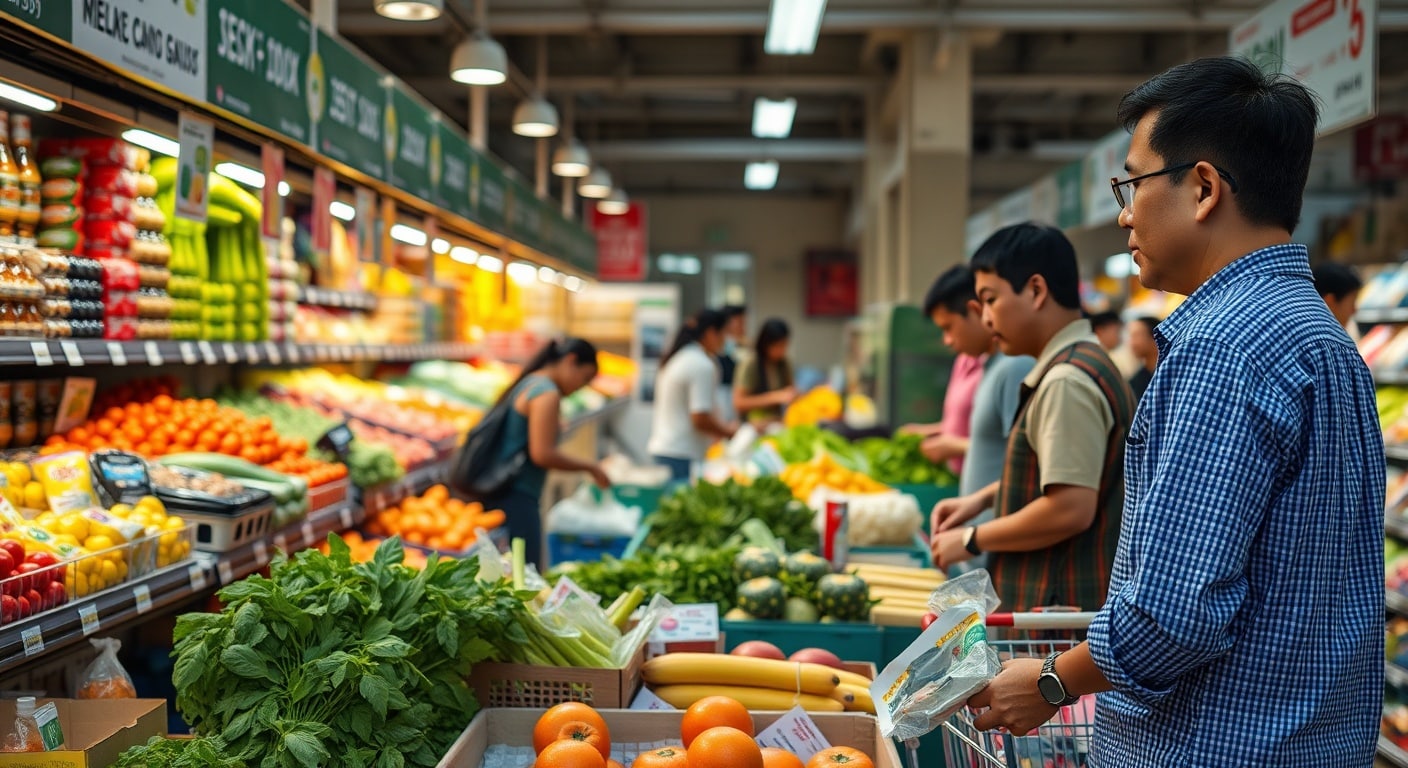
If you are planning a weekly or monthly food budget, understanding grocery prices Malaysia can help you shop smarter and avoid overspending. Grocery costs in Malaysia vary depending on location, supermarket type, brand choice, and whether you buy local or imported items. In general, basic food staples remain reasonably affordable, but total spending can rise quickly when processed foods, premium brands, or specialty ingredients are added to the cart.
This guide gives you a practical overview of average grocery prices in Malaysia, along with a sample shopping list and budgeting tips for households, students, and families. Whether you shop at a hypermarket, local wet market, or convenience store, knowing the usual price range makes it easier to compare options and manage your expenses.
Average Grocery Prices in Malaysia
The average cost of groceries in Malaysia depends on the type of items you buy and where you shop. Wet markets often offer better prices for fresh produce, fish, and poultry, while supermarkets are more convenient for packaged goods, dairy, and imported products.
Here is a general price guide for common grocery items in Malaysia:
- Rice (5kg): RM13 to RM25
- Cooking oil (1kg bottle or pack): RM7 to RM12
- Eggs (10 pcs): RM4 to RM6.50
- White bread (loaf): RM3 to RM5
- Instant noodles (5-pack): RM4 to RM8
- Chicken (1kg): RM9 to RM14
- Beef (1kg): RM30 to RM45
- Fish (1kg): RM12 to RM30 depending on type
- Milk (1 litre): RM6 to RM9
- Onions (1kg): RM3 to RM6
- Potatoes (1kg): RM3 to RM6
- Tomatoes (1kg): RM4 to RM8
- Leafy vegetables (per bunch): RM2 to RM4
- Apples (1kg): RM8 to RM15
- Bananas (1kg): RM4 to RM8
- Sugar (1kg): RM3 to RM4
- Flour (1kg): RM2.50 to RM4
These are average estimates and can differ based on city, season, and current supply conditions. Prices in Kuala Lumpur and Penang may be slightly higher than in smaller towns, especially for imported goods.
Practical Weekly Grocery Shopping List
A practical grocery list helps reduce impulse buying and keeps your kitchen stocked with essentials. Below is a sample weekly shopping list for a small household in Malaysia.
Basic Staples
- Rice (5kg): RM13 to RM25
- Bread: RM3 to RM5
- Eggs: RM4 to RM6.50
- Cooking oil: RM7 to RM12
- Flour: RM2.50 to RM4
- Sugar: RM3 to RM4
Estimated subtotal: RM32.50 to RM56.50
Proteins
- Chicken (1kg): RM9 to RM14
- Fish (1kg): RM12 to RM30
- Tofu or tempeh: RM2 to RM6
Estimated subtotal: RM23 to RM50
Vegetables and Fruits
- Onions (1kg): RM3 to RM6
- Potatoes (1kg): RM3 to RM6
- Tomatoes (1kg): RM4 to RM8
- Leafy greens: RM2 to RM4
- Bananas (1kg): RM4 to RM8
- Apples (1kg): RM8 to RM15
Estimated subtotal: RM24 to RM47
Dairy and Other Essentials
- Milk (1 litre): RM6 to RM9
- Instant noodles: RM4 to RM8
- Tea or coffee: RM8 to RM20
Estimated subtotal: RM18 to RM37
Total estimated weekly grocery budget: RM97.50 to RM190.50
This estimate is suitable for a small household with moderate cooking at home. A larger family or those buying infant products, snacks, or imported items may spend significantly more.
How Grocery Prices Differ by Shopping Location
Supermarkets and Hypermarkets
Large retail chains such as Lotus’s, Giant, Econsave, and AEON offer convenience and frequent promotions. They are usually good for bulk purchases, household essentials, and packaged products. Loyalty programs and member discounts can also reduce your final bill.
Wet Markets
Wet markets are often the best place to find fresh meat, seafood, herbs, and vegetables at lower prices. Bargaining may be possible at some locations, especially near closing time. However, product quality and hygiene standards can vary between markets.
Convenience Stores
Items at convenience stores are usually more expensive. These shops are useful for urgent top-up purchases, but not ideal if you want to keep grocery spending low.
Monthly Grocery Budget in Malaysia
For many households, monthly grocery spending can generally fall within these ranges:
- Single person or student: RM200 to RM400
- Couple: RM350 to RM700
- Small family: RM600 to RM1,200
- Larger family: RM1,000 and above
These estimates depend heavily on eating habits. Families that cook daily using local ingredients can save more than households that regularly buy ready-to-eat food, premium groceries, or imported snacks.
Tips to Save Money on Grocery Prices in Malaysia
You do not always need to cut food quality to save money. A few practical strategies can make a noticeable difference.
- Shop with a list: This helps avoid unnecessary purchases.
- Compare store prices: Some chains are cheaper for dry goods, while wet markets may be better for fresh items.
- Buy house brands: Store-brand products are often cheaper than well-known labels.
- Choose local produce: Local fruits and vegetables usually cost less than imported ones.
- Watch for promotions: Weekly deals and member discounts can reduce your grocery bill.
- Buy in bulk carefully: Bulk buying works best for non-perishable essentials.
- Plan meals ahead: Meal planning reduces food waste and repeat spending.
Items That Can Increase Your Grocery Bill
While basic staples remain fairly manageable, certain categories can push up grocery prices quickly in Malaysia. These include:
- Imported dairy products
- Premium cuts of meat
- Baby formula and diapers
- Packaged snacks and sugary drinks
- Organic or specialty health foods
- Frozen convenience meals
If budgeting is your priority, it helps to keep these items limited or buy them only when necessary.
FAQ About Grocery Prices in Malaysia
How much do groceries cost per month in Malaysia?
For one person, grocery spending usually ranges from RM200 to RM400 per month. For families, the amount can range from RM600 to RM1,200 or more, depending on household size and shopping habits.
Are groceries cheaper at wet markets or supermarkets in Malaysia?
Wet markets are often cheaper for fresh vegetables, fish, and meat. Supermarkets may be more competitive for packaged goods, promotions, and bulk purchases.
What is the cheapest way to shop for groceries in Malaysia?
The cheapest approach is usually to buy fresh items from local markets, compare packaged goods across budget supermarkets, and avoid frequent small purchases from convenience stores.
What groceries are most affordable in Malaysia?
Affordable staple items include rice, eggs, local vegetables, tofu, tempeh, bread, and bananas. These are commonly used in budget-friendly meal planning.
Why do grocery prices in Malaysia change?
Prices can change due to inflation, fuel costs, weather conditions, import supply, and seasonal demand. Fresh produce and seafood are especially affected by these factors.
Final Thoughts
Understanding grocery prices Malaysia is essential for building a realistic shopping budget. While grocery costs remain manageable for many households, your final spending depends on where you shop, what you buy, and how well you plan meals. A practical shopping list focused on staples, fresh produce, and affordable proteins can help you eat well without overspending.
By tracking average prices and comparing stores, you can make better shopping decisions and keep your monthly food expenses under control. In Malaysia, a little planning goes a long way when it comes to grocery savings.