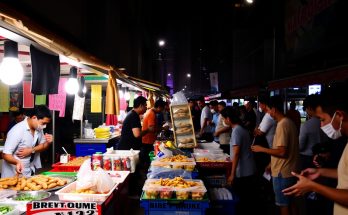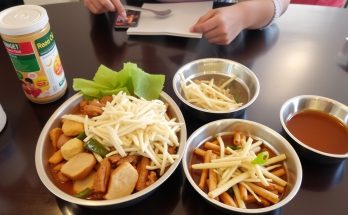
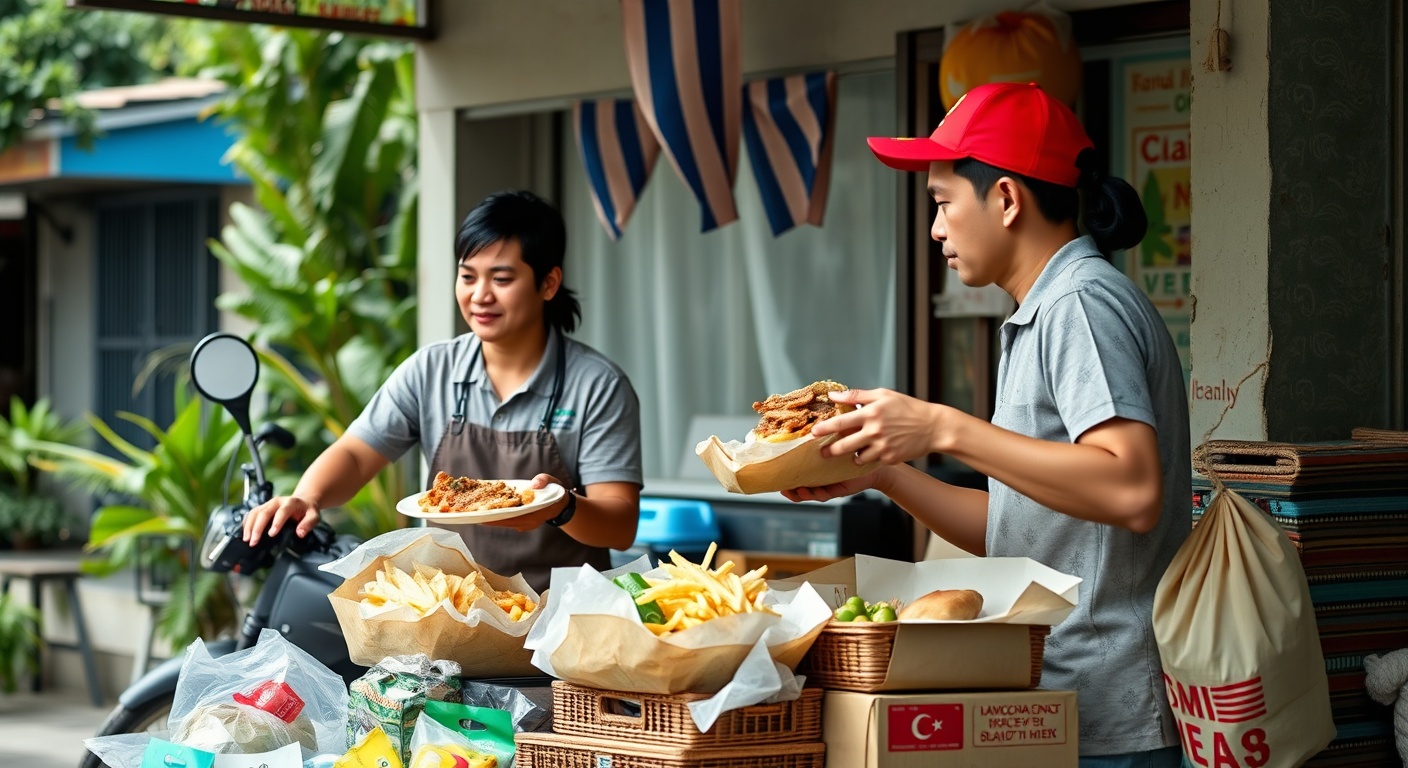
Food delivery has become a normal part of daily life across the country, changing how Malaysians order meals, snacks, drinks, and even groceries. From busy professionals in Kuala Lumpur to students in university towns and families in suburban neighbourhoods, app-based ordering is now a major part of the local food scene. Understanding food delivery trends malaysia helps explain not only consumer behaviour, but also how restaurants, delivery riders, and digital platforms continue to adapt in a highly competitive market.
Over the past few years, convenience, mobile technology, changing lifestyles, and promotional pricing have all pushed food delivery into the mainstream. At the same time, customer expectations have become much higher. People now want faster delivery, better app experiences, more payment options, healthier choices, and reliable service during peak hours. These shifts are shaping the future of food delivery in Malaysia.
The Growth of Food Delivery in Malaysia
The rise of food delivery in Malaysia is closely linked to smartphone usage, digital wallets, and easy access to online platforms. Ordering food is no longer limited to fast food chains. Today, customers can order from local hawker stalls, trendy cafes, premium restaurants, dessert shops, and even home-based food businesses.
Several factors have contributed to this continued growth:
- Urban lifestyles that leave less time for cooking or dining out
- Wider app coverage in cities and expanding suburban areas
- Cashless payment adoption through e-wallets, online banking, and cards
- Frequent promotions such as free delivery, bundle deals, and vouchers
- Consumer habit changes after periods of movement restrictions and remote working
Food delivery is no longer seen as an occasional convenience. For many Malaysians, it has become a weekly or even daily routine.
Changing Consumer Habits in Malaysia
Convenience Is the Top Priority
The strongest driver behind food delivery trends malaysia is convenience. Consumers want meals delivered quickly without needing to brave traffic, find parking, or wait in queues. This is especially true in high-density urban areas where commuting and long working hours make food delivery an attractive option.
Many users also appreciate being able to compare prices, browse reviews, customise orders, and reorder favourites with just a few taps.
Peak Ordering Times Continue to Evolve
Lunch and dinner remain the busiest times for food delivery, but ordering patterns have become more diverse. More Malaysians now place orders for:
- Breakfast before work or school
- Afternoon tea including coffee, bubble tea, and light snacks
- Late-night meals especially among younger consumers and shift workers
- Weekend family meals for group sharing and special treats
This shows that food delivery is no longer focused only on traditional mealtimes.
More Interest in Value and Promotions
Price sensitivity remains a major factor in Malaysia. Although many consumers enjoy the convenience of delivery, they still compare service fees, minimum order values, and food prices carefully. Discounts can strongly influence where and when customers order.
Popular value-driven behaviours include:
- Choosing restaurants with free delivery
- Using promo codes and loyalty rewards
- Ordering bundle meals for families or groups
- Comparing multiple apps before confirming an order
Popular Food Choices in Delivery Orders
Malaysian food delivery preferences are diverse, reflecting the country’s multicultural dining habits. While fried chicken, burgers, and pizza remain strong performers, local dishes are equally important in sustaining order volume.
Frequently ordered items often include:
- Nasi lemak
- Rice sets with ayam goreng, sambal, or curry
- Western comfort food such as pasta and grilled chicken
- Bubble tea and specialty drinks
- Desserts and pastries
- Hotpot and sharing platters for group dining
Consumers are also becoming more willing to order healthier meals, including salads, grain bowls, low-calorie options, and vegetarian food. This is an important trend for businesses looking to reach health-conscious urban customers.
The Role of Technology in Food Delivery Trends
App Experience Matters More Than Ever
Customers expect food delivery apps to be smooth, quick, and easy to use. A poor user interface, unclear delivery timing, or inaccurate order tracking can easily push users to a competing platform. This means digital experience is now a key part of customer satisfaction.
Top expectations include:
- Real-time tracking
- Accurate delivery estimates
- Easy payment options
- Simple reorder functions
- Clear menu photos and descriptions
Cashless Payments Support Growth
The adoption of e-wallets and online payment systems has made food delivery even more seamless. Malaysians increasingly prefer digital transactions because they are faster and often come with cashback offers or app-specific discounts.
This has encouraged more repeat ordering and reduced friction during checkout.
How Restaurants Are Adapting
Restaurants in Malaysia have had to adjust quickly to meet growing delivery demand. For many food businesses, delivery is now a major sales channel rather than an add-on service. Some brands have even designed menus specifically for delivery, focusing on items that travel well and maintain quality.
Common strategies include:
- Creating delivery-only promotions
- Improving packaging to preserve freshness and presentation
- Using cloud kitchen models to reduce operating costs
- Offering combo meals tailored for app users
- Expanding to multiple platforms for wider customer reach
Packaging has become especially important. Spillage, soggy food, and temperature issues can directly affect ratings and repeat business. Strong packaging solutions now play a critical role in customer retention.
Challenges Affecting Food Delivery in Malaysia
Despite strong growth, the industry still faces several challenges. Delivery fees can discourage spending, especially for lower-value orders. Restaurants also face pressure from platform commissions, while riders deal with fuel costs, traffic, and weather conditions.
Some of the key challenges include:
- Rising operational costs for merchants and riders
- Heavy competition among delivery platforms
- Customer expectations for faster and cheaper service
- Order accuracy issues during peak periods
- Sustainability concerns linked to plastic packaging and single-use items
As competition intensifies, platforms and merchants must balance affordability, speed, and quality without hurting long-term profitability.
Future Food Delivery Trends in Malaysia
The future of food delivery trends malaysia will likely be shaped by personalisation, sustainability, and broader service offerings. Consumers are expected to keep demanding more control, better recommendations, and improved value.
Key trends to watch include:
- Personalised app recommendations based on ordering history
- Healthier and niche menu options including vegan, halal premium, and diet-specific meals
- Eco-friendly packaging and opt-out cutlery settings
- Subscription models that reduce delivery fees for frequent users
- Faster integration with grocery and convenience delivery
There is also growing potential in smaller cities and towns as logistics networks improve and more local merchants come online. This could make food delivery even more accessible beyond the major urban centres.
What This Means for Consumers and Businesses
For consumers, food delivery in Malaysia offers more choice, flexibility, and convenience than ever before. For businesses, however, success depends on speed, menu strategy, branding, and customer experience. Restaurants that understand local preferences and optimise for digital ordering are more likely to thrive.
The most successful operators will be those that can meet the modern Malaysian customer’s expectations for:
- Affordable pricing
- Reliable delivery times
- Good food quality on arrival
- Easy digital ordering
- Consistent promotions and loyalty benefits
FAQ
What are the main food delivery trends in Malaysia?
The main trends include higher demand for convenience, increased use of cashless payments, stronger interest in promotions, growth in healthier meal choices, and rising expectations for fast and reliable delivery service.
Why is food delivery so popular in Malaysia?
Food delivery is popular because it saves time, offers a wide selection of restaurants, supports cashless payment, and suits busy urban lifestyles. Promotions and mobile app convenience also make it more attractive.
What types of food do Malaysians commonly order for delivery?
Common choices include nasi lemak, rice meals, fried chicken, burgers, pizza, bubble tea, coffee, desserts, and family combo sets. Local dishes remain just as important as international fast food.
Are Malaysians becoming more health-conscious in food delivery choices?
Yes, many consumers are showing more interest in salads, balanced rice bowls, vegetarian meals, and lower-calorie options. This trend is especially noticeable in larger cities.
What challenges affect food delivery services in Malaysia?
Major challenges include delivery fees, platform commissions, traffic delays, rider costs, packaging quality, and maintaining service standards during busy periods.
What is the future of food delivery in Malaysia?
The future will likely involve more personalised app experiences, eco-friendly packaging, wider delivery coverage, healthier food options, and stronger links between food, groceries, and convenience services.