
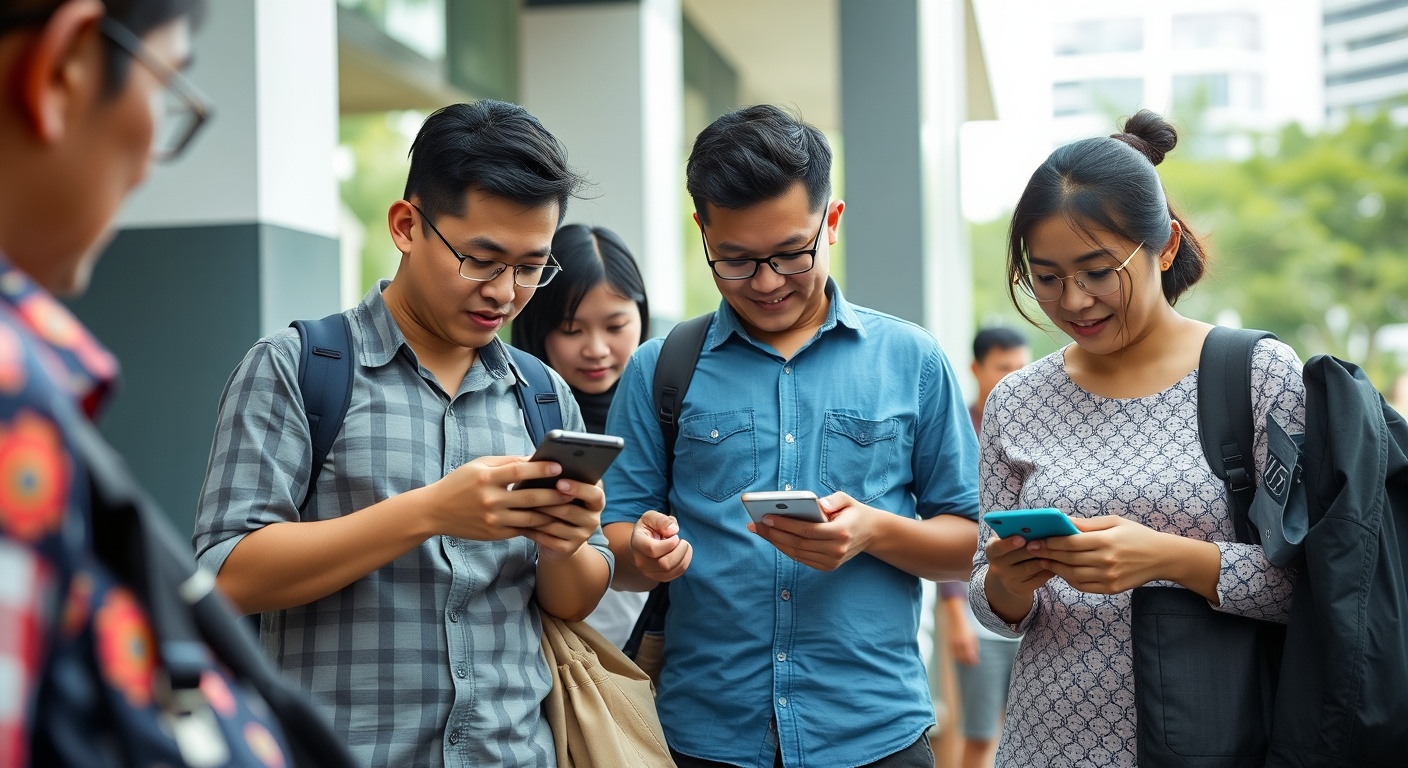
Malaysia has become one of Southeast Asia’s most digitally connected nations, and smartphone usage Malaysia continues to rise as mobile devices play a bigger role in everyday life. From online shopping and social media to mobile banking and digital entertainment, smartphones are now essential tools for communication, work, and convenience. As internet access improves and affordable devices become more widely available, smartphone adoption is shaping how Malaysians interact with technology across all age groups.
Understanding current smartphone trends in Malaysia is important for businesses, marketers, educators, and even consumers. It reveals how people access information, what platforms they prefer, and how mobile-first habits are influencing the local digital economy. In this article, we explore the latest patterns, behaviors, and future outlook of smartphone usage across Malaysia.
Overview of Smartphone Usage in Malaysia
The growth of smartphone ownership in Malaysia has been driven by several factors, including better mobile internet coverage, competitive telco plans, and a steady supply of affordable Android devices. Today, smartphones are no longer considered luxury gadgets. They are everyday necessities used by students, professionals, small business owners, and retirees alike.
Smartphone usage Malaysia reflects a highly mobile-centric society. Many Malaysians rely on their phones as their primary device for browsing the internet, watching videos, managing finances, and communicating through apps such as WhatsApp, Telegram, and social media platforms. In urban areas especially, it is common for people to spend several hours a day on their smartphones for both productivity and entertainment.
Key Drivers Behind Smartphone Adoption
Affordable Mobile Devices
One of the main reasons for strong smartphone adoption in Malaysia is the availability of budget-friendly smartphones. Brands offering devices at lower price points have made it easier for more households to own at least one internet-connected device. This accessibility has widened smartphone use beyond major cities and into suburban and rural communities.
Wider Internet and 4G/5G Coverage
Malaysia’s digital infrastructure has improved significantly over the years. Better 4G access and the ongoing rollout of 5G services have encouraged heavier mobile usage. Faster internet speeds support activities such as video streaming, online gaming, mobile learning, and video calls, all of which depend heavily on smartphones.
Digital Services and E-Wallet Growth
The increasing popularity of e-wallets, food delivery apps, ride-hailing platforms, and mobile banking services has also accelerated smartphone dependence. Malaysians now use their devices to pay bills, order groceries, transfer money, and access government or private services with just a few taps.
How Malaysians Use Smartphones Daily
Smartphone habits in Malaysia are diverse, but several daily use patterns stand out. These trends show how deeply smartphones are embedded in daily routines.
- Communication: Messaging apps, voice calls, and video calls remain among the most common smartphone activities.
- Social media: Platforms such as TikTok, Instagram, Facebook, and X are heavily accessed through mobile devices.
- Entertainment: Malaysians frequently use smartphones for streaming music, watching short videos, and playing games.
- Online shopping: E-commerce apps are widely used for browsing deals, making purchases, and tracking deliveries.
- Mobile banking: Smartphone banking apps have become standard for checking balances, paying bills, and making transfers.
- Navigation and transport: GPS, e-hailing apps, and map services are essential for commuting and travel.
This strong dependency highlights why businesses in Malaysia increasingly prioritize mobile-friendly websites and app-based services. A poor mobile user experience can lead to lower engagement and missed opportunities.
Popular Demographics for Smartphone Usage Malaysia
Younger Users Lead the Trend
Younger Malaysians, especially teenagers and adults in their 20s and 30s, are among the heaviest smartphone users. This group is highly active on social media, digital payments, content creation, online shopping, and mobile entertainment. Smartphones are often their preferred tool for both leisure and work-related tasks.
Working Adults Depend on Mobile Productivity
For professionals and entrepreneurs, smartphones are used to manage emails, attend virtual meetings, reply to clients, and run business operations on the go. Many small business owners in Malaysia rely on smartphones to update social media pages, process customer orders, and communicate with suppliers.
Older Generations Are Catching Up
Older Malaysians are also adopting smartphones at a faster pace than before. While usage patterns may differ from younger users, many now use smartphones for messaging family members, accessing health information, making digital payments, and consuming news content.
Mobile Internet Behavior in Malaysia
A major feature of smartphone usage Malaysia is the preference for mobile internet over desktop browsing. For many users, the smartphone is the first and only device they use to go online. This has changed how websites, advertisements, and digital content are created.
Short-form video, fast-loading web pages, app-based interactions, and mobile-friendly checkout processes are now more important than ever. Consumers expect convenience and speed, and smartphones enable both. This mobile-first shift has influenced everything from digital marketing strategies to user interface design.
Impact on Businesses and Digital Marketing
The rise in smartphone usage has transformed how businesses reach customers in Malaysia. Companies no longer focus only on traditional websites or desktop experiences. Instead, they optimize for mobile responsiveness, social commerce, app engagement, and quick customer support through messaging platforms.
Businesses should take note of the following mobile trends:
- Mobile-first website design is essential for search visibility and user experience.
- Social media marketing performs better when designed for smartphone users.
- Video content tends to attract stronger engagement on mobile platforms.
- Location-based marketing can target users more effectively through smartphone data.
- Mobile payment support helps improve conversion rates for online purchases.
For brands targeting Malaysian consumers, understanding smartphone behavior is no longer optional. It is a critical part of digital success.
Challenges Related to Smartphone Usage
Although smartphone growth brings many benefits, it also creates certain challenges. Screen time concerns, digital addiction, misinformation, online scams, and data privacy issues are becoming more relevant. Parents, educators, and policymakers in Malaysia are increasingly paying attention to how smartphone use affects mental health, focus, and online safety.
There is also a digital gap between regions with strong connectivity and those with weaker infrastructure. While smartphone ownership may be widespread, not all users enjoy the same quality of internet access or digital literacy.
Future Outlook for Smartphone Usage Malaysia
The future of smartphone usage in Malaysia looks strong. As 5G expands and more services become digital, smartphone dependency is likely to increase even further. Mobile devices will continue to support remote work, smart education, online healthcare, and digital financial services.
Emerging technologies such as artificial intelligence, mobile automation, and smarter apps may also shape the next phase of user behavior. Consumers are expected to demand more personalized, secure, and convenient mobile experiences.
For businesses, this means staying adaptable. For consumers, it means enjoying even greater access to tools and services directly from their smartphones. In either case, the role of mobile technology in Malaysia will only become more central in the years ahead.
FAQ
What is the current trend of smartphone usage in Malaysia?
Smartphone usage in Malaysia is increasing steadily, with more people using mobile devices for communication, entertainment, shopping, banking, and work. Smartphones are now a primary tool for internet access among many Malaysians.
Why is smartphone usage so high in Malaysia?
The high usage is largely due to affordable smartphones, reliable mobile internet, strong social media adoption, and the convenience of digital services such as e-wallets, online banking, and delivery apps.
Which age group uses smartphones the most in Malaysia?
Younger users, particularly teenagers and adults in their 20s and 30s, are typically the heaviest smartphone users. However, older adults are also increasingly adopting smartphones for practical daily activities.
How do businesses benefit from smartphone usage trends in Malaysia?
Businesses benefit by reaching consumers through mobile-friendly websites, social media platforms, e-commerce apps, and mobile payments. Strong smartphone usage creates more opportunities for direct engagement and sales.
What is the future of smartphone usage Malaysia?
The future is expected to include even greater mobile dependence, especially with the growth of 5G, digital services, and app-based lifestyles. Smartphones will remain central to communication, business, and online access in Malaysia.