
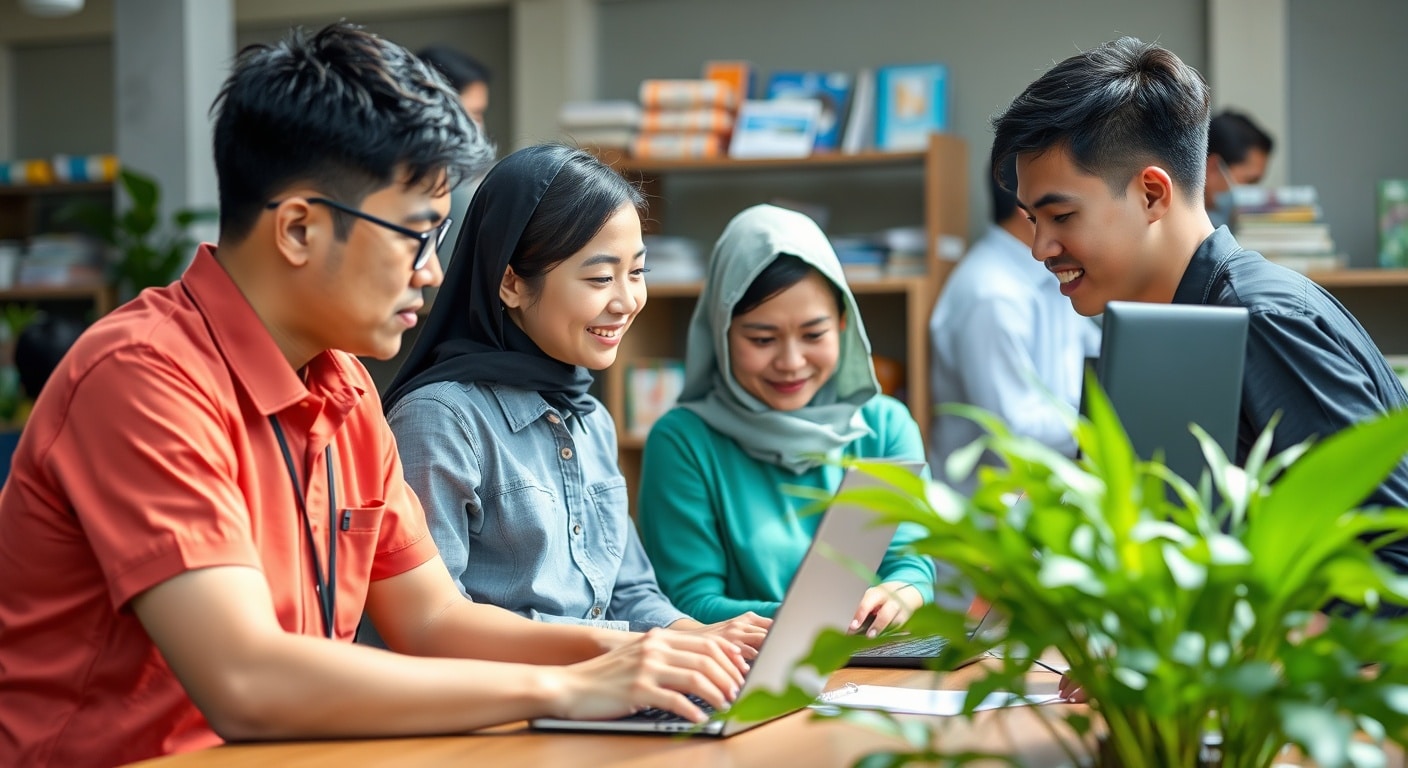
Malaysia’s workforce has changed rapidly over the past few years, and remote work trends Malaysia continues to be a major topic for employers, employees, and business leaders. What began as a necessity during the pandemic has now evolved into a long-term shift in how companies operate, hire talent, and manage productivity. Today, many Malaysian organisations are balancing between fully office-based operations, hybrid arrangements, and fully remote teams.
As digital adoption grows and employee expectations change, remote and hybrid work are no longer seen as temporary arrangements. Instead, they are becoming part of a broader workplace transformation. Businesses in Kuala Lumpur, Johor Bahru, Penang, and other urban centres are rethinking workspace strategies, while workers are prioritising flexibility, work-life balance, and digital connectivity.
Understanding Remote Work Trends in Malaysia
The rise of remote work trends Malaysia is influenced by a mix of economic, technological, and social factors. More businesses now realise that employees can remain productive outside a traditional office environment when supported with the right tools and expectations.
Several trends are shaping the local work landscape:
- Hybrid work becoming the preferred model for many companies
- Increased use of collaboration tools such as Zoom, Microsoft Teams, Slack, and Google Workspace
- Greater focus on employee wellbeing and flexible scheduling
- Wider talent pools as employers hire beyond their immediate geographic area
- Redefinition of office spaces to support collaboration rather than daily desk work
Rather than choosing between fully remote and fully office-based systems, many Malaysian companies are adopting flexible solutions that fit their industry and workforce needs.
Why Hybrid Work Is Growing in Popularity
Hybrid work has become one of the most practical responses to changing work expectations. It combines office interaction with the freedom of working from home, giving both employers and employees a more balanced option.
Benefits for Employees
Employees often prefer hybrid arrangements because they offer:
- Reduced commuting time, especially in traffic-heavy cities like Kuala Lumpur
- Improved work-life balance through more flexible scheduling
- Lower transportation and meal costs
- Greater autonomy over how tasks are completed
For many workers, this flexibility has become an important factor when considering job opportunities. Companies that do not offer some level of remote or hybrid work may find it harder to attract younger professionals and experienced digital talent.
Benefits for Employers
Employers in Malaysia are also seeing clear advantages from hybrid work policies:
- Higher employee retention due to improved satisfaction
- Access to broader talent pools across different states
- Potential savings on office overheads
- Business continuity during disruptions or emergencies
These benefits are encouraging businesses to invest in long-term hybrid frameworks rather than temporary work-from-home policies.
Industries Leading Remote and Hybrid Adoption
Not all sectors can operate the same way, but several industries in Malaysia have been especially quick to embrace remote and hybrid arrangements.
Technology and Digital Services
Software development, digital marketing, IT support, and creative agencies are among the strongest adopters of remote work. These roles already rely heavily on online tools, making location flexibility easier to implement.
Finance and Professional Services
Some functions in banking, accounting, legal support, and consulting have shifted to hybrid setups. While confidential tasks may still require secure office systems, many administrative and client-facing functions can now be managed partly online.
Education and Training
Online learning platforms, private training providers, and academic support services have expanded flexible working arrangements. Virtual learning has also created new roles that do not require constant physical presence.
E-Commerce and Customer Support
The growth of online retail in Malaysia has increased demand for remote-friendly roles in customer service, digital operations, content management, and marketplace support.
Challenges Affecting Remote Work Trends in Malaysia
Although remote and hybrid work offer many advantages, the shift is not without challenges. Employers and employees must still address practical and cultural issues.
Communication and Collaboration Gaps
Without face-to-face interaction, teams may struggle with misunderstandings, delayed responses, or reduced engagement. This is why companies must establish clear communication channels and expectations.
Productivity and Performance Monitoring
Some managers still find it difficult to assess productivity in remote settings. The most successful organisations focus on measurable outcomes rather than hours spent online.
Technology and Internet Access
Reliable internet access is essential for remote work success. While major cities in Malaysia generally have strong connectivity, employees in some suburban or rural areas may still face limitations.
Work-Life Boundary Issues
Working from home can blur the lines between personal and professional life. Without clear boundaries, employees may experience burnout, longer working hours, or mental fatigue.
How Malaysian Companies Are Adapting
As remote work trends Malaysia continue to develop, companies are refining their approach to flexibility and digital management. Many employers are no longer asking whether remote work is possible, but how to make it sustainable.
Common strategies include:
- Creating formal hybrid work policies with clear attendance expectations
- Equipping employees with digital tools and cybersecurity support
- Redesigning office spaces for meetings, brainstorming, and collaboration
- Training managers to lead distributed teams effectively
- Focusing on results-based performance instead of physical presence
Forward-thinking businesses are also taking employee wellbeing more seriously by encouraging mental health support, flexible hours, and regular team check-ins.
The Future of Remote and Hybrid Work in Malaysia
The future of work in Malaysia will likely remain flexible. While some traditional industries may continue to favour office-based environments, many businesses have already accepted that a one-size-fits-all workplace model is outdated.
In the coming years, several developments are expected:
- More structured hybrid models tailored to business needs
- Greater investment in digital infrastructure and secure cloud systems
- Stronger focus on employee experience as a retention strategy
- Wider acceptance of remote hiring across different regions in Malaysia
- Continued evolution of office design into collaboration hubs
As competition for skilled professionals grows, flexibility may become a standard expectation rather than a special benefit. Employers who adapt early are more likely to stay competitive in recruitment and long-term workforce planning.
FAQ About Remote Work Trends in Malaysia
Is remote work common in Malaysia now?
Yes, remote work is much more common than it was before. While not all industries can operate fully remotely, many companies in technology, digital services, customer support, and professional services now offer at least some work-from-home flexibility.
What is the difference between remote and hybrid work?
Remote work means employees work entirely outside the office, often from home or another location. Hybrid work combines remote work with scheduled office attendance, allowing employees to split their time between both settings.
Which industries in Malaysia are best suited for remote work?
Technology, digital marketing, e-commerce, customer service, online education, and some professional service roles are among the most suitable industries for remote work in Malaysia.
What are the biggest challenges of hybrid work?
The main challenges include maintaining communication, managing performance fairly, avoiding employee burnout, and ensuring all team members have access to reliable technology and internet connections.
Will hybrid work continue to grow in Malaysia?
Yes, hybrid work is expected to continue growing as more businesses recognise the value of flexibility, employee satisfaction, and digital efficiency. It is likely to remain a major part of workplace strategy in Malaysia.
Conclusion
Remote work trends Malaysia reflect a broader shift in how businesses and professionals view productivity, flexibility, and the role of the office. Hybrid work has emerged as a strong middle ground, offering convenience for employees and operational resilience for employers. Although challenges remain, the long-term direction is clear: flexible work is no longer just a trend, but an important part of the future of work in Malaysia.
For employers, adapting to these changes can improve recruitment, retention, and team performance. For employees, it creates new opportunities to work more efficiently while achieving a better balance between career and personal life.