
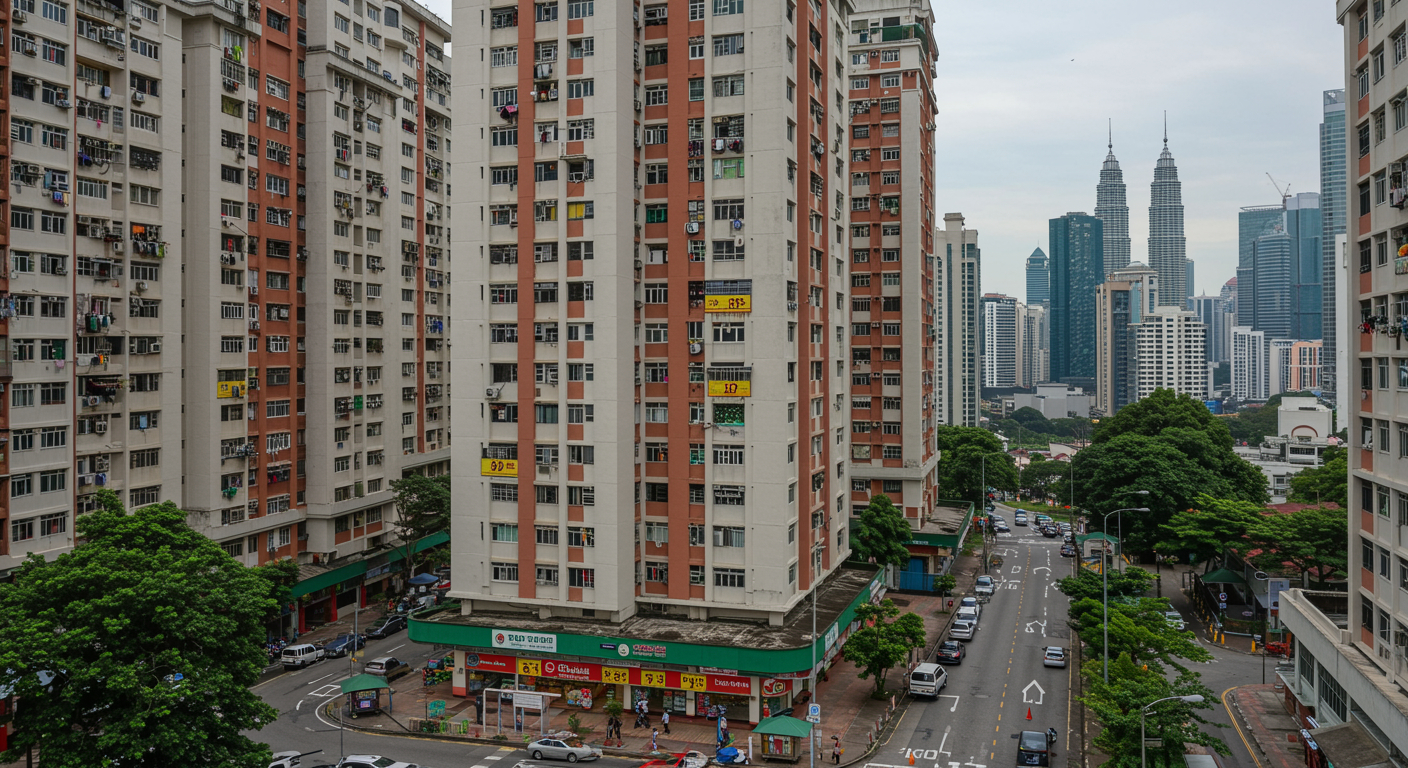
Malaysia has long been known as one of Southeast Asia’s more affordable countries, attracting locals, expatriates, retirees, and digital nomads alike. However, the cost of living in Malaysia 2026 reflects noticeable shifts compared to previous years. Inflation, currency fluctuations, housing demand, and global supply chain pressures have all contributed to rising expenses.
While Malaysia remains cheaper than many developed nations, everyday costs — from groceries to rent — have increased, especially in urban areas. Understanding these changes is essential for families planning budgets, job seekers evaluating salaries, and foreigners considering relocation.
This guide breaks down how prices have evolved across housing, food, transportation, utilities, healthcare, and lifestyle expenses in 2026.
Housing Costs in 2026
Housing continues to be the largest expense for most households. Prices vary significantly depending on location, property type, and proximity to city centers.
Kuala Lumpur & Klang Valley
In major urban areas such as Kuala Lumpur, Petaling Jaya, and Subang Jaya, rental prices have risen due to increased demand and limited supply of affordable units.
Typical monthly rent in 2026:
- Studio apartment (city center): RM1,800 – RM2,800
- 1–2 bedroom condo: RM2,500 – RM4,500
- Family-sized condo (3 bedrooms): RM4,500 – RM7,000
- Landed property: RM6,000+
Prime areas like KLCC, Mont Kiara, and Bangsar command even higher rents.
Secondary Cities
Cities such as Penang, Johor Bahru, Ipoh, and Melaka remain more affordable:
- Condo: RM1,200 – RM2,500
- Landed house: RM2,000 – RM4,000
Key Changes Since 2023–2024
- Rising interest rates increased mortgage costs
- Urban migration pushed rental demand higher
- New developments focused on mid- to high-end properties
- Limited supply of affordable housing
Food and Grocery Prices
Food costs have steadily climbed due to global commodity prices, currency weakness, and local supply issues.
Groceries
Average monthly grocery spending in 2026:
- Single person: RM400 – RM700
- Couple: RM700 – RM1,200
- Family of four: RM1,200 – RM2,000
Common price changes:
- Rice, eggs, and cooking oil saw gradual increases
- Imported goods became significantly more expensive
- Fresh produce fluctuates with weather conditions
Eating Out
Malaysia still offers relatively affordable dining, but restaurant prices have risen noticeably.
Typical meal costs:
- Hawker stall / kopitiam meal: RM8 – RM15
- Casual restaurant: RM18 – RM35 per person
- Mid-range restaurant: RM40 – RM80 per person
- Coffee shop beverage: RM10 – RM18
Urban cafes and Western restaurants show the biggest increases due to higher rent and labor costs.
Transportation Expenses
Transportation remains manageable compared to many countries, but fuel price adjustments and vehicle costs have impacted budgets.
Public Transport
Klang Valley commuters benefit from extensive rail networks:
- Monthly pass (unlimited travel): RM50 – RM150
- Single train trip: RM1.20 – RM6.40
Public transport is still the most economical option for city residents.
Driving Costs
Owning a car involves several expenses:
- Petrol (RON95 subsidized): ~RM2.05 per liter
- Toll charges: RM100 – RM300 monthly (urban commuters)
- Parking: RM150 – RM400 monthly
- Insurance & road tax: RM1,200 – RM3,000 annually
Vehicle prices remain high due to taxes and import duties.
Utilities and Household Bills
Utility costs have increased moderately but remain reasonable overall.
Average monthly utility expenses for a standard household:
- Electricity: RM120 – RM300
- Water: RM20 – RM50
- Internet (fiber broadband): RM90 – RM200
- Mobile plans: RM30 – RM80 per line
Air-conditioning usage significantly affects electricity bills, especially in hot months.
Healthcare Costs
Malaysia continues to offer high-quality healthcare at relatively affordable prices.
Public Healthcare
Government hospitals provide subsidized services:
- Clinic consultation: RM1 – RM5
- Specialist visit (with referral): RM5 – RM30
However, wait times can be long.
Private Healthcare
Private facilities are preferred for convenience:
- GP consultation: RM50 – RM120
- Specialist consultation: RM150 – RM350
- Minor procedures: RM500 – RM3,000
Medical insurance premiums have increased due to rising treatment costs.
Education Expenses
Families with children face significant education costs, especially for private or international schooling.
Public Schools
Minimal fees, making them the most affordable option.
Private & International Schools
Annual tuition in 2026:
- Private schools: RM15,000 – RM35,000
- International schools: RM30,000 – RM100,000+
Demand for English-medium education continues to push fees upward.
Lifestyle and Entertainment
Lifestyle spending varies widely depending on personal habits.
Typical monthly discretionary costs:
- Gym membership: RM120 – RM300
- Cinema ticket: RM18 – RM25
- Streaming subscriptions: RM20 – RM60
- Domestic travel (short trip): RM500 – RM1,500
Shopping prices, particularly for imported goods, have risen due to currency factors.
Salary vs Cost of Living in 2026
Average income levels differ by region and profession.
Estimated monthly salaries:
- Entry-level positions: RM2,500 – RM3,500
- Mid-career professionals: RM4,500 – RM8,000
- Experienced specialists: RM10,000+
For comfortable urban living, a household income of RM6,000 – RM10,000 is typically needed, especially for families.
Is Malaysia Still Affordable in 2026?
Despite rising costs, Malaysia remains relatively affordable compared to countries like Singapore, Australia, or Western nations.
Key advantages:
- Lower food costs
- Subsidized fuel
- Affordable healthcare
- Wide range of housing options
- Strong local services infrastructure
However, affordability gaps are widening between income groups, particularly in major cities.
Tips to Manage Living Costs
To maintain financial stability in 2026, residents can adopt practical strategies:
- Live outside premium city centers
- Use public transport whenever possible
- Cook at home more frequently
- Monitor utility usage
- Compare insurance plans annually
- Take advantage of promotions and bulk purchases
Smart budgeting can significantly reduce overall expenses.
Conclusion
The cost of living in Malaysia 2026 reflects a gradual but clear upward trend across most categories. Housing, food, and private education show the most noticeable increases, while transportation and healthcare remain comparatively manageable.
Malaysia continues to offer good value for quality of life, but financial planning has become increasingly important. Whether you are a local resident, expatriate, or future migrant, understanding these cost changes helps ensure a realistic budget and sustainable lifestyle.
FAQ
Is Malaysia expensive to live in 2026?
Malaysia is moderately affordable compared to developed countries, but living costs in major cities have risen significantly.
What salary is needed to live comfortably in Kuala Lumpur?
A monthly household income of RM6,000–RM10,000 is generally sufficient for a comfortable lifestyle.
Which city in Malaysia has the lowest cost of living?
Cities like Ipoh, Alor Setar, and Kota Bharu tend to be more affordable than Kuala Lumpur or Penang.
Are groceries expensive in Malaysia now?
Basic groceries remain affordable, but imported goods and fresh produce prices have increased.
Is healthcare affordable in Malaysia?
Yes, especially through public hospitals. Private healthcare is costlier but still cheaper than in many Western countries.


