Malaysia’s food scene is always evolving, and that is exactly what makes it so exciting. From bustling night markets to trendy cafés and delivery-friendly cloud kitchens, the way Malaysians eat is changing fast. If you have been curious about the latest food trends Malaysia is embracing, you are in the right place. Today’s dining preferences are shaped by lifestyle shifts, social media influence, health awareness, and a growing appreciation for both local heritage and global flavours.
Whether you are a foodie, restaurant owner, content creator, or simply someone who enjoys trying new dishes, understanding these trends offers a glimpse into what Malaysians are craving right now. Below are the biggest food movements making waves across the country.
The Rise of Modern Malaysian Fusion
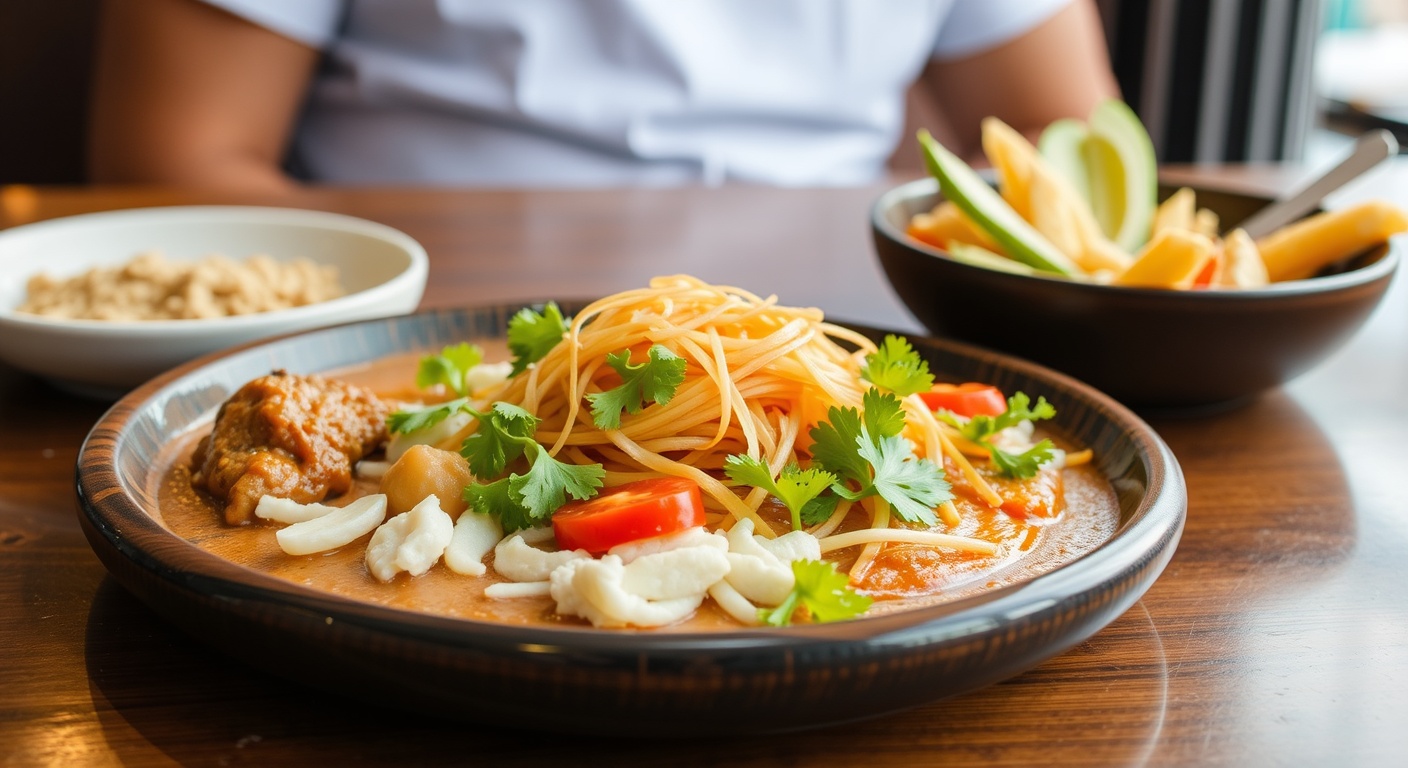
One of the most exciting food trends Malaysia is seeing right now is the rise of modern fusion cuisine. Chefs and home-based food entrepreneurs are reinventing traditional Malaysian dishes by combining them with international influences.
Instead of serving classics exactly as they have always been made, many food businesses are creating playful twists such as nasi lemak burgers, rendang pasta, satay pizza, and croissant kaya sandwiches. These combinations appeal especially to younger consumers who want something familiar yet different.
Why fusion food is popular
- It gives classic local dishes a fresh identity
- It is highly shareable on social media
- It caters to adventurous eaters looking for new experiences
- It helps local brands stand out in a competitive market
This trend shows that Malaysians still love traditional flavours, but they also enjoy seeing them presented in creative and unexpected ways.
Health-Conscious Eating Is Growing
Another major shift in food trends Malaysia is the growing demand for healthier meal options. More consumers are paying attention to what they eat, looking for meals that are lower in sugar, less oily, and made with fresher ingredients.
Restaurants and cafés are responding by offering grain bowls, salad meals, smoothie blends, healthy wraps, and plant-forward menus. Even local favourites are being adapted into healthier versions, such as brown rice nasi lemak or air-fried snacks.
Popular healthy food choices
- Low-calorie rice bowls
- Fresh juices and functional drinks
- High-protein meals
- Vegetarian and vegan-friendly dishes
- Desserts with reduced sugar
This trend is especially strong in urban areas like Kuala Lumpur, Petaling Jaya, and Penang, where busy working adults are balancing convenience with nutrition.
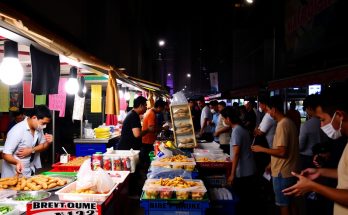
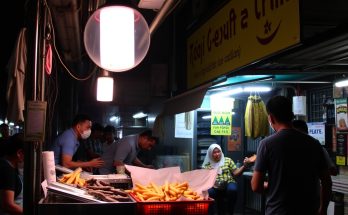
Street Food Remains a Strong Favourite
Even with all the new dining concepts appearing across the country, street food continues to dominate the conversation. In fact, one of the most enduring food trends Malaysia remains deeply rooted in hawker culture and roadside stalls.
Malaysians still turn to char kuey teow, apam balik, roti canai, cendol, laksa, and grilled seafood for comfort and authenticity. What has changed is how these foods are marketed and discovered. Social media platforms like TikTok and Instagram have made viral street food spots more visible than ever.
How street food is evolving
- Vendors are improving presentation for social media appeal
- Cashless payments are becoming more common
- Some hawkers are modernising branding and packaging
- Food review videos are driving foot traffic
This proves that traditional food is not losing relevance. Instead, it is adapting to modern consumer behaviour.
Viral Desserts and Beverages Are Everywhere
No discussion about food trends Malaysia would be complete without mentioning the dessert and beverage boom. Malaysians have always loved sweet treats, but current trends are pushing innovation even further.
Popular dessert cafés and drink brands are introducing items designed to go viral. Think burnt cheesecakes, thick matcha drinks, premium boba, croffles, soufflé pancakes, and soft serve in unique local flavours like gula melaka, pandan, and durian.
What makes food and drinks go viral
- Strong visual appeal
- Limited-time seasonal flavours
- Creative packaging
- Influencer and short-form video exposure
Drinks are no longer just an add-on to a meal. For many consumers, trendy beverages are now a standalone indulgence and part of the overall dining experience.
Plant-Based Options Are Becoming More Mainstream
Plant-based eating used to be considered a niche lifestyle, but it is steadily becoming more mainstream in Malaysia. This is one of the most notable food trends Malaysia is experiencing, especially among younger and more environmentally aware consumers.
Many cafés and restaurants now include plant-based burgers, dairy-free drinks, meat-free nasi campur dishes, and vegan desserts on their menus. This shift is driven by a mix of health, ethical, and sustainability concerns.
Reasons behind the plant-based trend
- Growing awareness of environmental impact
- Interest in healthier eating habits
- Increased availability of meat alternatives
- More inclusive menu options for diverse diners
While not everyone is going fully vegan, more people are open to reducing meat consumption and trying plant-based meals occasionally.
Convenience and Delivery-Friendly Food Continue to Expand
Convenience remains a major factor shaping food trends Malaysia. With more people working long hours, ordering online, or managing busy family schedules, easy-to-access meals are in high demand.
Food delivery apps have transformed the way Malaysians dine. Businesses are now creating menu items specifically designed to travel well, such as rice bowls, pasta, fried chicken sets, packed desserts, and ready-to-drink beverages.
Convenience-focused food trends
- Cloud kitchens and home-based food businesses
- Meal subscriptions
- Grab-and-go snacks
- Pre-packed frozen meals with local flavours
This trend is not just about speed. Consumers also expect quality, portion value, and packaging that maintains freshness.
Interest in Regional and Heritage Foods Is Returning
Alongside modern innovation, there is also renewed appreciation for heritage cooking. Many Malaysians are rediscovering regional dishes from different states, adding more depth to current food trends Malaysia.
Food lovers are seeking out authentic recipes from Kelantan, Terengganu, Negeri Sembilan, Sabah, and Sarawak. Dishes such as nasi kerabu, laksa Sarawak, hinava, ambuyat, and masak lemak cili api are attracting more attention than before.
Why heritage foods matter today
- They preserve Malaysia’s culinary identity
- They introduce younger generations to traditional recipes
- They support small local food businesses
- They offer unique flavours beyond mainstream options
This revival shows that while Malaysians enjoy trendy foods, they also value authenticity and cultural roots.
Social Media Is Driving What People Eat
One cannot ignore the role of digital culture in shaping food trends Malaysia. Social media has become one of the strongest influences on what foods become popular, where people eat, and which brands succeed.
Short videos, food reviews, livestreams, and influencer collaborations can turn a little-known stall into a viral destination overnight. Consumers are often motivated by visual appeal, novelty, and online buzz before they decide to try something.
Social media’s impact on food businesses
- Stronger focus on presentation
- More limited-edition menu launches
- Higher demand for photogenic food spaces
- Faster trend cycles
As a result, food businesses in Malaysia must now think beyond taste alone. Branding, storytelling, and online visibility are just as important.
FAQ About Food Trends in Malaysia
What are the current food trends in Malaysia?
The current food trends Malaysia is seeing include fusion food, healthier meal options, plant-based dishes, viral desserts and beverages, street food modernisation, and increased demand for convenient delivery-friendly meals.
Why is fusion food so popular in Malaysia?
Fusion food is popular because it combines familiar Malaysian flavours with exciting international styles. It creates unique menu items that appeal to younger diners and perform well on social media.
Are healthy food options becoming more common in Malaysia?
Yes, healthy food options are becoming more common, especially in cities. Many cafés and restaurants now offer lower-calorie meals, fresh juices, vegetarian dishes, and reduced-sugar desserts.
Is street food still relevant in Malaysia?
Absolutely. Street food remains an essential part of Malaysian food culture. It continues to thrive, especially as social media helps popular hawker stalls and local vendors reach a wider audience.
What role does social media play in Malaysian food trends?
Social media strongly influences which foods become popular. Viral videos, food influencers, and attractive visuals can quickly drive traffic to a restaurant or food stall, making online exposure a major part of success.
Conclusion
The latest food trends Malaysia reveals are a mix of innovation, convenience, health awareness, and cultural pride. Malaysians are embracing exciting fusion dishes, exploring plant-based eating, enjoying viral sweets, and still staying loyal to street food and regional heritage recipes. This balance between modern tastes and traditional roots is what makes Malaysia’s food culture so dynamic.
As trends continue to evolve, one thing remains clear: Malaysians are passionate about food, and that passion will keep driving creativity across the country’s ever-growing culinary scene.